The movement to decolonise higher education has been shaped by initiatives such as the Rhodes Must Fall protests at Oxford and Cape Town, which called on universities to critically examine how knowledge is produced, shared, and represented.
In the UK and beyond, these movements have prompted a focus on addressing the underrepresentation of non-white cultures in curricula and tackling racial inequities within academic environments.
In business education, the literature suggests four guiding principles for decolonising curricula (Shahjahan et al., 2022); regularly critiquing the positionality of knowledge, constructing inclusive curricula beyond dominant knowledge systems, fostering relational teaching and learning, and connecting higher education to community and decolonial socio-political movements. Applying these principles involves two complementary challenges: first, examining and rethinking what content is included or excluded in curricula; second, disrupting teaching practices by reconsidering how staff, students, and other actors engage in the learning process.
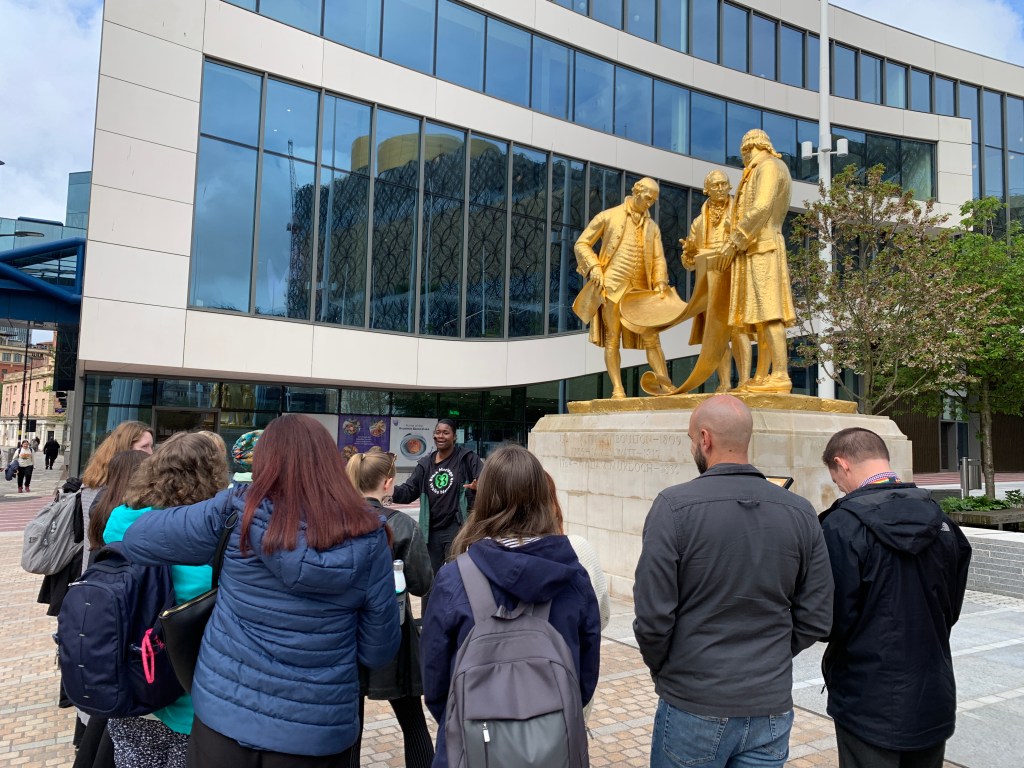
Our approach has sought to integrate these challenges in collaboration with staff, students, and external partners. Conversations with colleagues revealed diverse understandings of decolonisation shaped by their personal and professional identities. While some had already begun integrating decolonial practices into their teaching, others were unsure where to start or faced constraints such as time, workload, and resources. In response, we developed a flexible, non-prescriptive framework that enables colleagues to tailor decolonial practices to their own context, expertise, and identity.
A range of activities and resources support this work. The seminar series brought external and internal speakers together to share insights and practices. Seedcorn-funded projects enable staff to explore curriculum changes, for instance by rethinking assessments or incorporating colonial histories into specific subjects such as Economics or Accounting, including at our international campuses.
Some examples of our work
The following case studies illustrate how these principles were put into practice through a range of activities designed to support colleagues in developing their own approaches to decolonising teaching. Rather than prescribing a single model, the case studies highlight different entry points into this work. These initiatives created spaces for experimentation, reflection and peer learning, recognising that decolonial practice must be shaped by context and positionality. Taken together, these examples demonstrate how decolonising teaching can be approached as an iterative and relational process—one that evolves through dialogue, practice and ongoing reflection, rather than as a fixed or completed outcome.
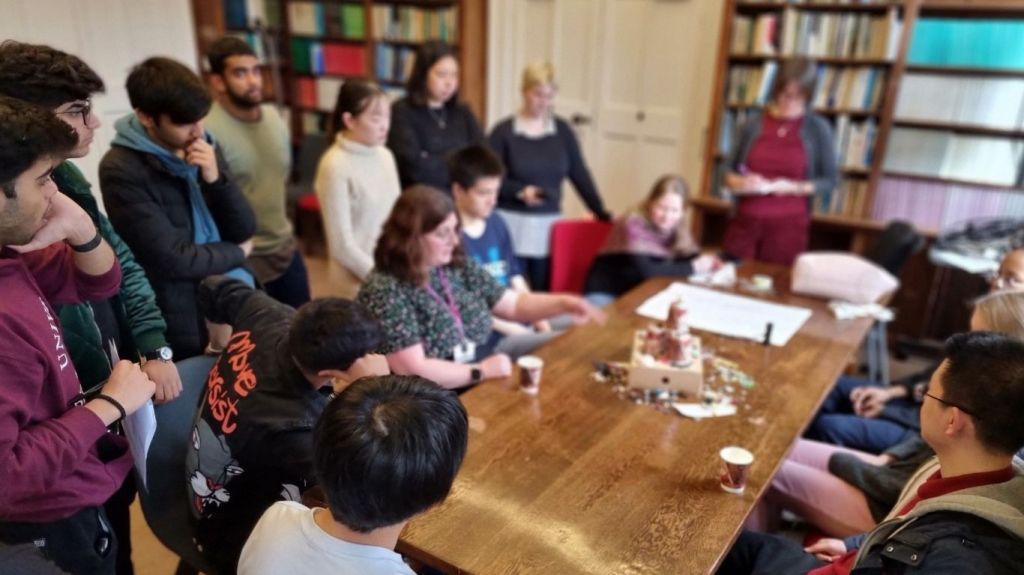
Cultural animation student workshops
Creative and embodied workshops with students that explored what decolonisation means for students, and what they want from a decolonised business school.
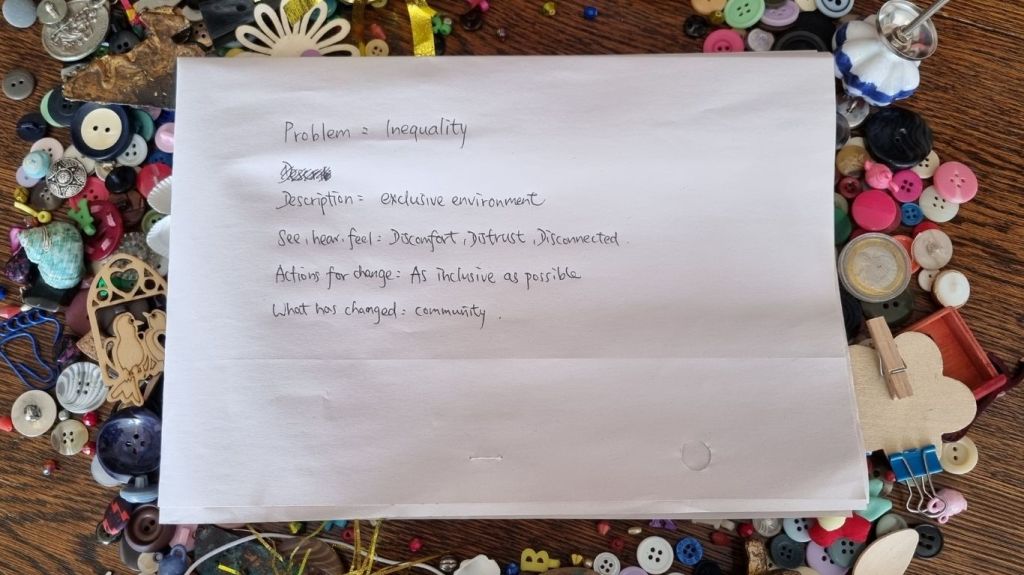
Fostering reflexivity in teaching
Centring reflexivity as a core decolonial practice, supporting educators to critically reflect on their positionality, teaching approaches and assumptions, and to develop context-specific pathways for decolonising the curriculum.
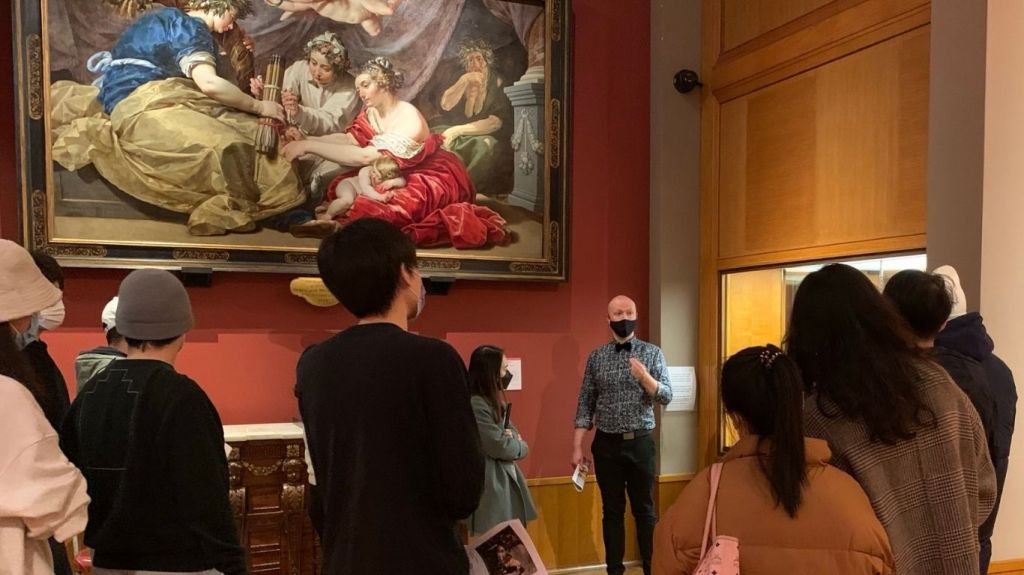
Arts-based learning with the Barber institute
Creative and embodied workshops with students that explored what decolonisation means for students, and what they want from a decolonised business school using arts-based methodology.
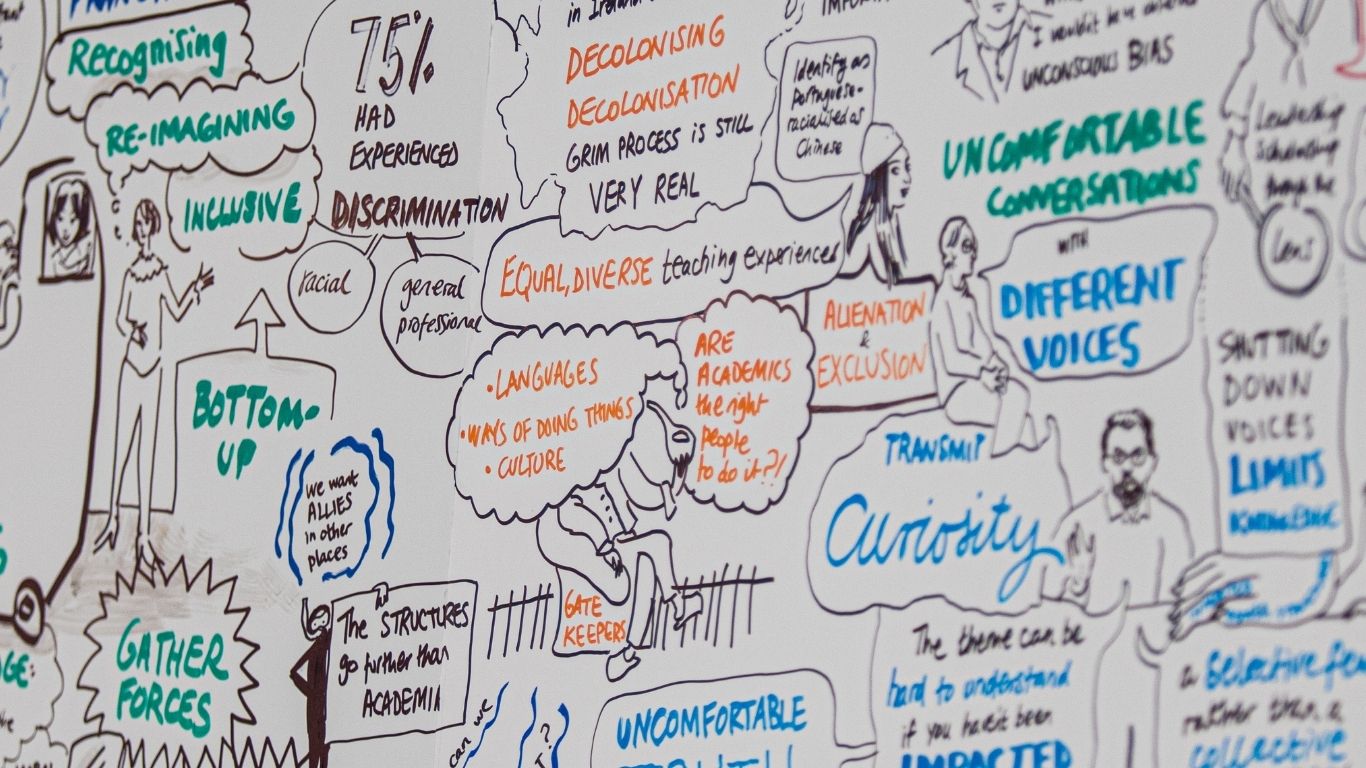
Decolonising the Curriculum framework
The development of a flexible framework developed by staff across the School to support colleagues in rethinking curricula over time.
 Decolonising a Business School