As a research community, we need to reflect critically on the knowledge produced within business schools, including the topics we study, the methods we use, and the research cultures we sustain. These choices shape whose knowledge is valued and shared, and can reproduce what Monzó and SooHoo (2014: 149) describe as “epistemological racism”.
Our starting point was a reflexive research process that explored how academic colleagues experience the epistemic and material legacies of colonialism within our specific institutional context. Through conversations across roles, disciplines, identities and career stages, we surfaced a range of perspectives on decolonisation, from support to ambivalence and opposition.
These discussions highlighted both the persistence of Western dominance in knowledge production and experiences of discrimination within academia, reinforcing the need for action. In response, we focused on co-producing more plural, inclusive research cultures and creating spaces that support diverse research pathways and ways of knowing.
Our Approach to Decolonising Research:
Our approach focused on generating space and interest for decolonising research through collaboration, dialogue and practical support across the School and the wider University. This involved working closely with School leadership to support colleagues who wished to develop decolonising research topics and methods, while also addressing broader issues related to research culture and career development. Alongside this, we collaborated with academic allies within the School and with professional bodies to contribute to wider, sector-level change, including the development of guidance on decolonising business school curricula.
The work also extended beyond the School through partnerships with colleagues across the University, including Library Services, where we contributed to initiatives around citation justice and the decolonisation of academic resources. Project insights and outputs were shared through conferences, academic publications, blogs, podcasts, reports, helping to connect our work with ongoing debates and practices across the wider academic community. Several examples of this approach are explored in more detail in the pages and case studies below, which provide concrete examples of how these principles were put into practice.
Examples of our work

Supporting disciplinary and cross-disciplinary groups to explore decolonisation on their own terms through sponsored workshops, seminars and seedcorn-funded projects.
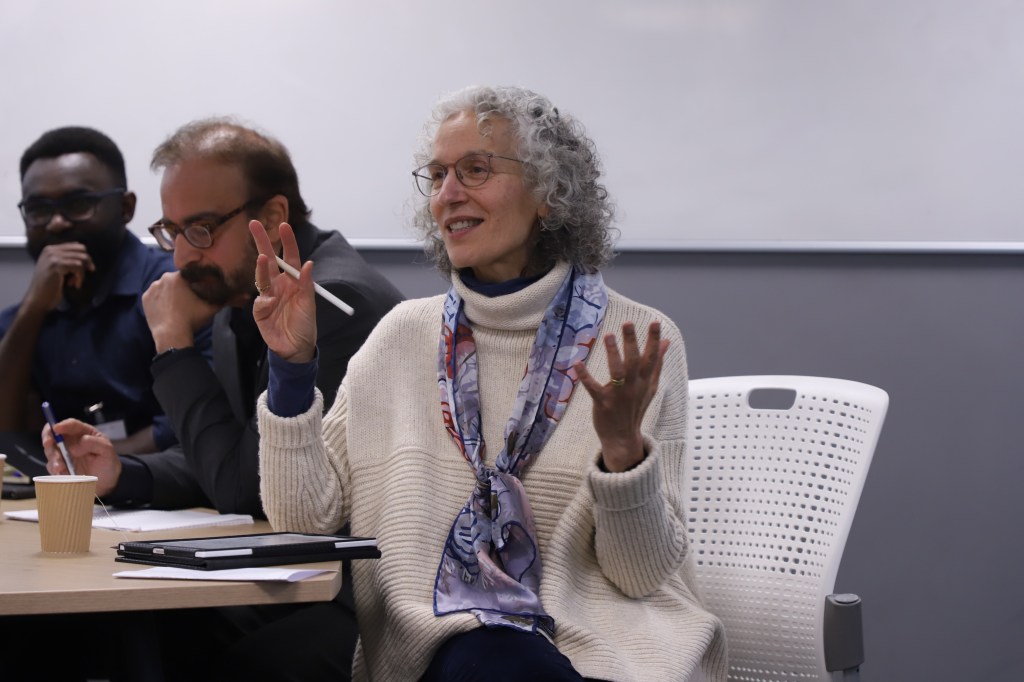
Delivering a seminar and events series that brought together internal and external speakers from a wide range of disciplines and global contexts to create a space for critical dialogue around decolonisation in research and practice.
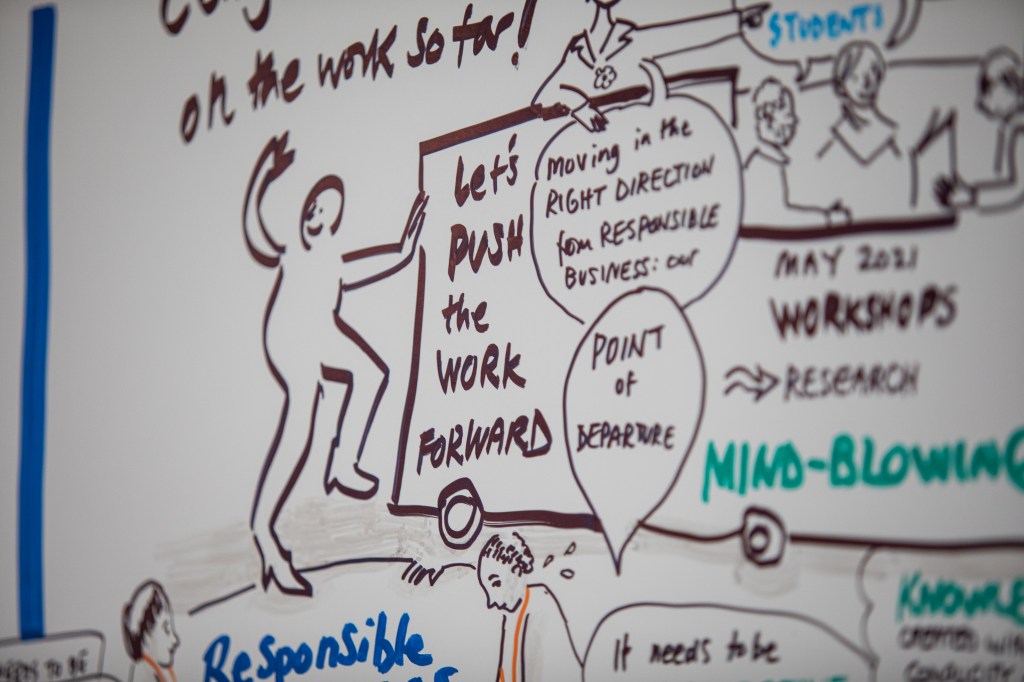
Developing an online Canvas resource introducing decolonisation debates in academia and business schools, while also acting as a hub for project updates, events and examples of practice.

Experimenting with decolonial methodologies, including cultural animation, as a way of opening up dialogue and reflexivity around research culture.
 Decolonising a Business School