Our work with Professional Services colleagues
Despite the global attention the demands to decolonise our academic institutions has gathered, business schools across the country have been slow in their response. Where action and discussion has occurred, it has mostly focused on the development and delivery of the curriculum, paying little attention to the culture and operation of the institutions themselves.
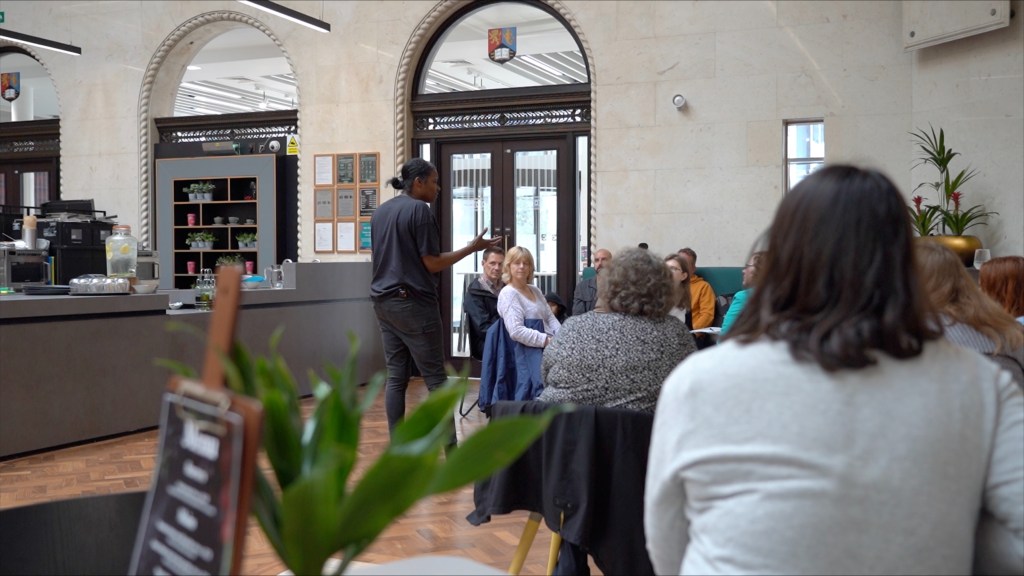
Students and academics are central to any business school, but they’re not the whole picture. Professional services colleagues, the teams providing administrative, student support, financial, technical and many other essential functions, are vital to how these organisations operate. To address colonial legacies within business schools, we must look not only at what we teach and research, but also at how we function as institutions.
While many schools have explored diversity initiatives and sought accreditation schemes like Athena Swan or the Race Equality Charter, far less attention has been paid to what it means to decolonise organisational practice. How can business schools, as Dar et al. (2021) ask, “act up” to dismantle racism and neocolonial systems across their operations?
For us, this meant making professional services colleagues integral to our decolonisation work from the start. Unlike conversations around decolonising education and research, there was little existing guidance to draw on. We looked beyond the business school, opening opportunities to learn from external partners and from emerging conversations on how organisations and businesses can approach decolonising their practices.
Challenges Identified by Professional Services
Our discussions with professional services colleagues raised a key question: who is the university really for? Although our university’s status as a nineteenth-century “red brick” civic institution suggests openness, many felt the label evoked barriers rather than inclusion. Professional Services staff highlighted inequalities in voice and influence, noting that they often lack the ability to question or challenge institutional practices in the way academic staff can. Their expertise was also seen as undervalued, reflected in the structures and processes that prioritise academic knowledge. Further divisions emerged within the Professional Services community itself, where limited connection between teams created silos, barriers and, ultimately, a weakened sense of shared community.
Our Approach to Decolonising Operations
To address these challenges, our work focused on engaging professional services colleagues and external partners in shaping a more inclusive business school. This involved exploring how the university is experienced by non-academic staff and by local communities, building collaborative relationships both within the school and with organisations beyond Higher Education, and finding creative ways – often through arts and cultural partners – to open up new conversations about decolonisation. We also considered how decolonial principles could be embedded in everyday operations and physical spaces, and how business schools can genuinely open their doors to all while sustaining their reputation for innovation and excellence.
Our work with Professional Services
Decolonising the way a business school operates goes beyond curriculum and research; it challenges the structures, practices, and everyday experiences of everyone who works within it. Our work with professional services colleagues, external partners, and the wider school community revealed both the barriers and opportunities for creating a more inclusive, equitable environment. The three case studies below highlight practical examples of this work — from rethinking physical spaces and fostering community, to co-creating activities and partnerships that empower all staff — showing how decolonisation can be explored in context and embedded across the organisation.
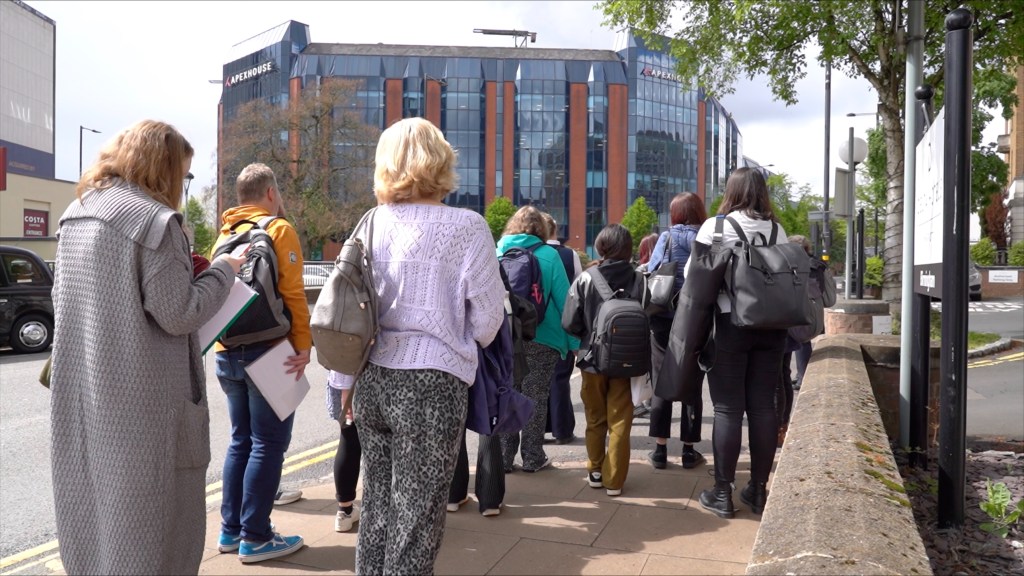
Working with Black Heritage Walks Network, the project used local histories to reframe how everyday spaces and organisational practices are understood, highlighting how dominant narratives can obscure lived experience.
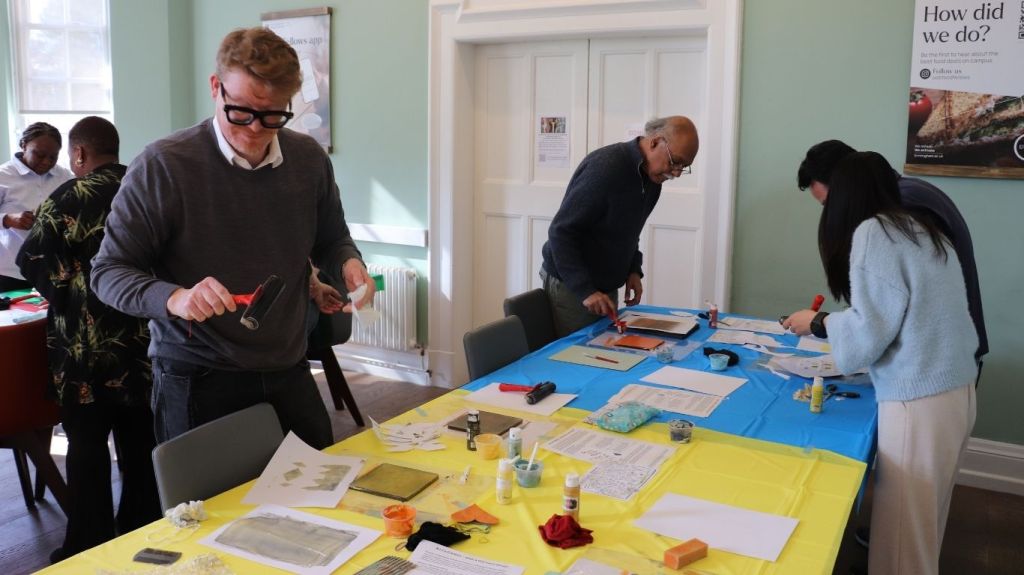
A creative, collaborative two-day event in collaboration with artist Carol Pairaudeau to create a work of art with academic, professional services colleagues and students inspired by the theme of belonging.
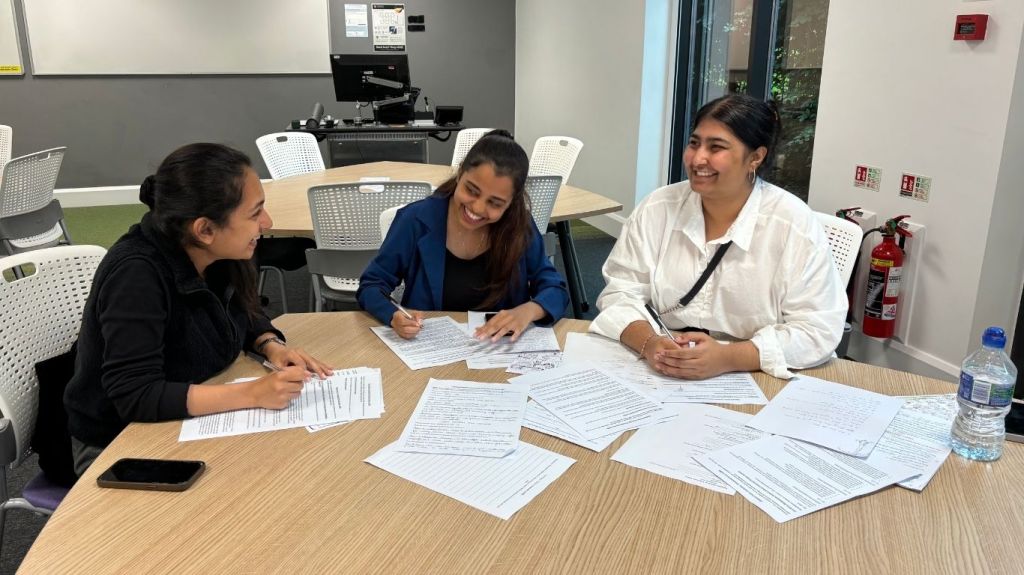
Developing a student-led project to respond to wider feedback exploring how physical spaces can reflect our staff and students’ diverse identities and foster a strong sense of community.
 Decolonising a Business School