Understanding what the decolonised Business School looks like for students
We have worked in partnership with New Vic Borderlines, the outreach arm of the New Vic Theatre in Newcastle-under-Lyme, to explore students’ experiences of decolonisation through a series of participatory workshops.
Bringing together undergraduate, postgraduate taught and postgraduate research students, the workshops created space to reflect collectively on what a decolonised business school might look, feel and operate like from a student perspective.
Central to our work is a commitment to collaboration, openness and bottom-up engagement, recognising that meaningful change depends on listening to a diversity of voices and lived experiences.
Using Cultural Animation, an arts-based, participatory approach created by New Vic Borderlines, we developed workshops that could engage a large and varied student body in ways that went beyond conventional consultation exercises. This methodology uses creative practice to surface complex ideas, challenge hierarchies and encourage shared ownership of discussion.
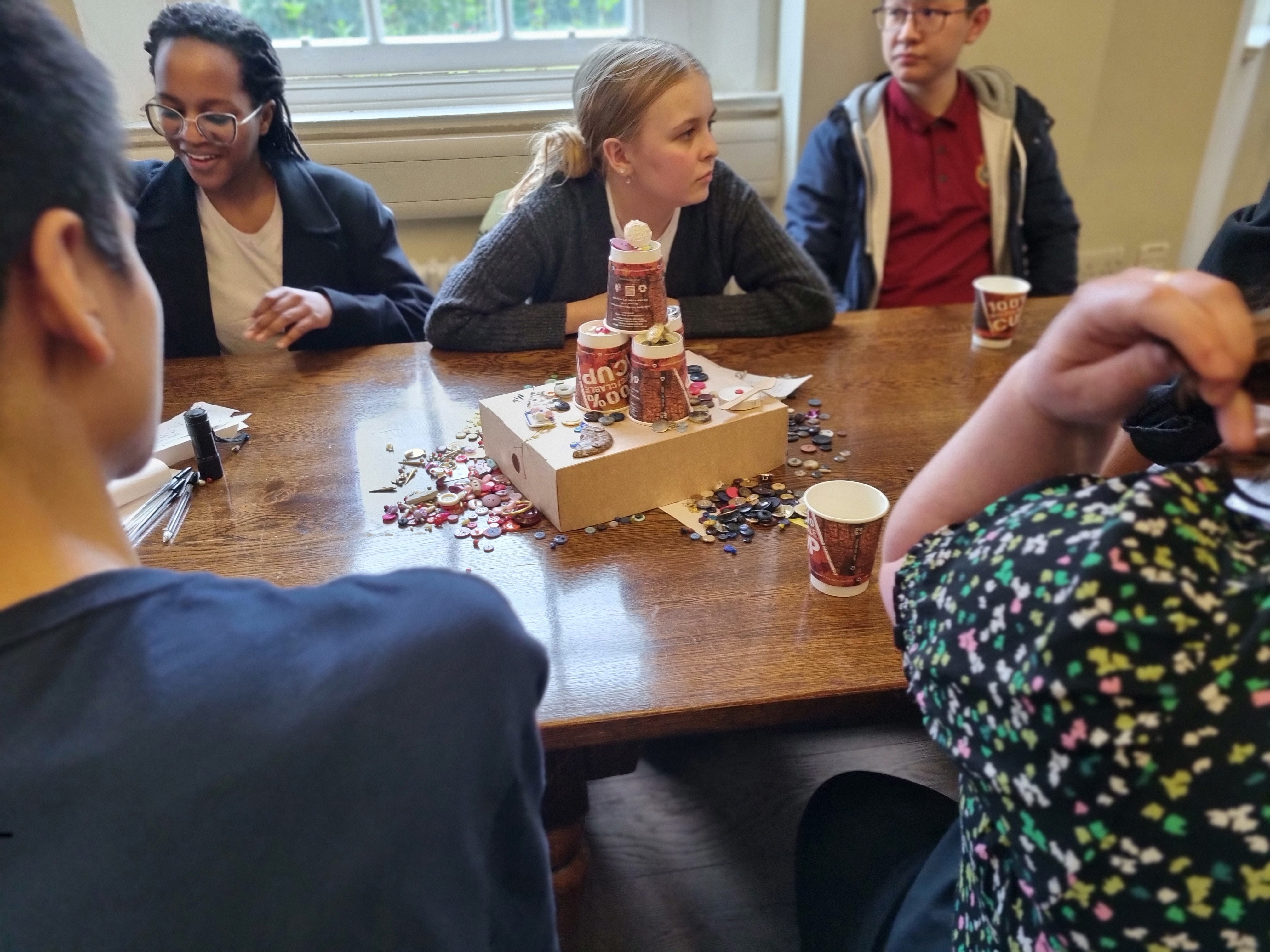
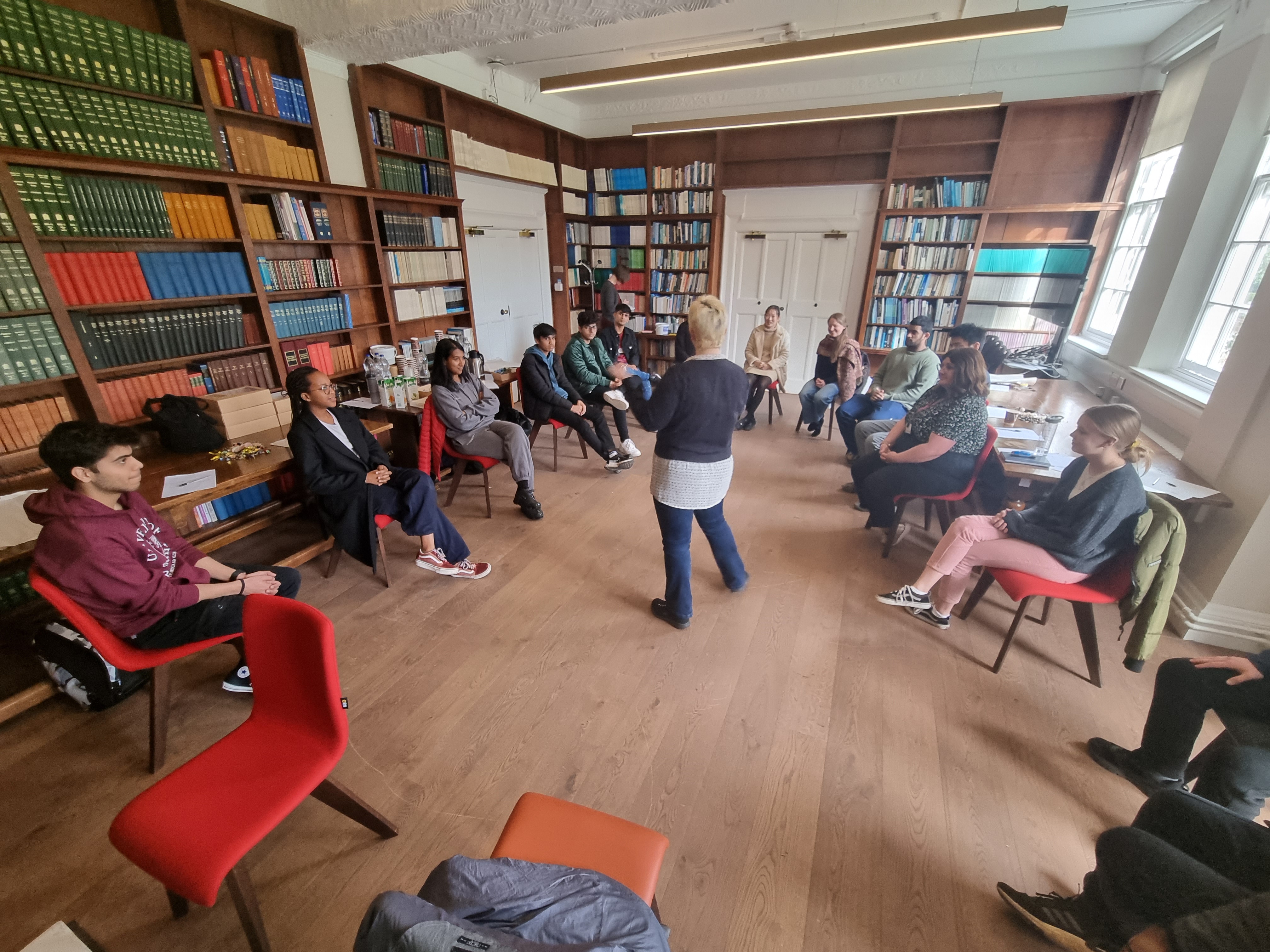
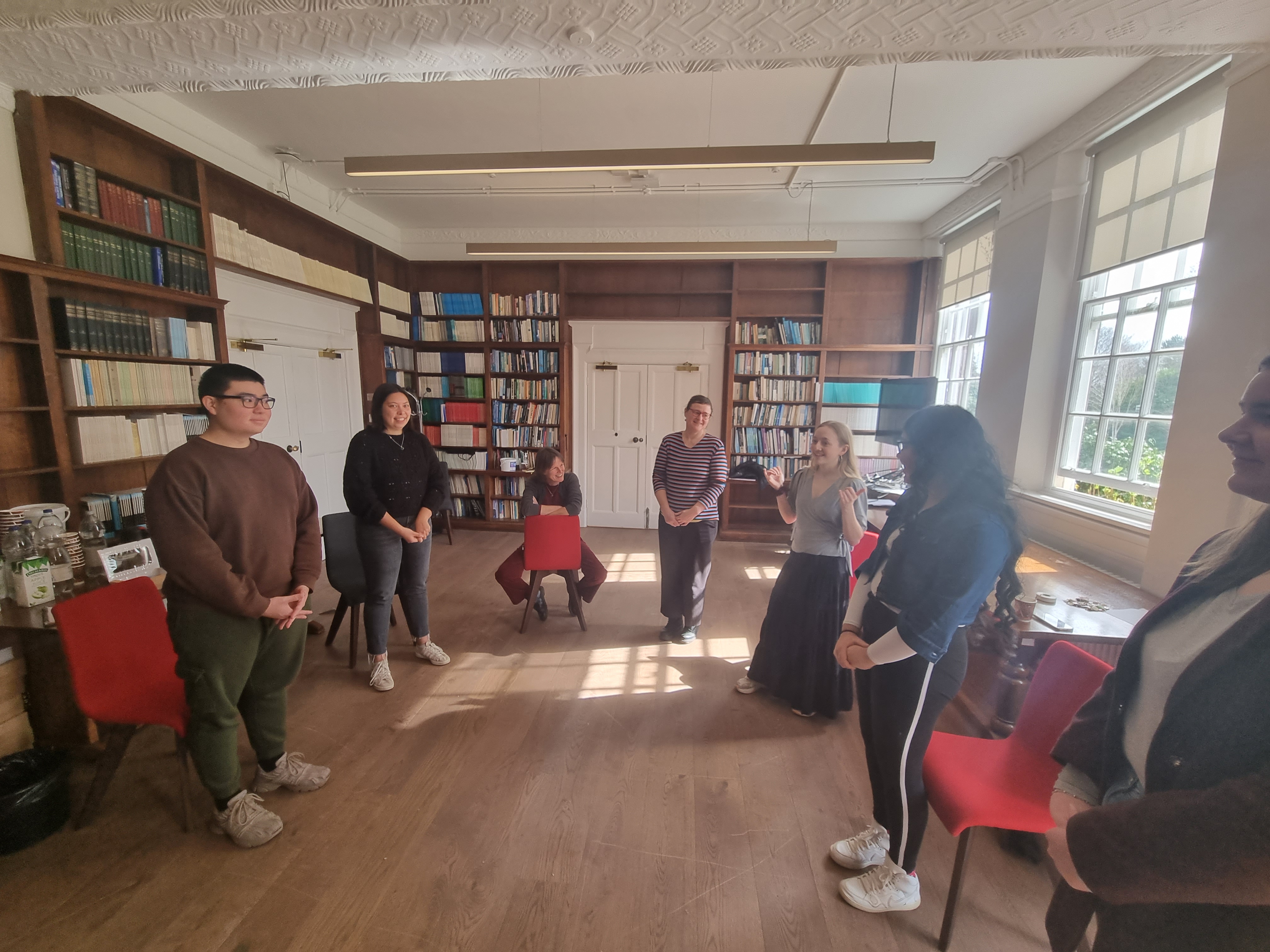
Four workshops were held, with staff and students participating together, reflecting the project’s intention to disrupt traditional roles and foster dialogue across different positions within the School.
In partnership with New Vic Borderlines, this film shares insight into the Birmingham Business School Decolonisation Project workshops where we explored the topic of decolonisation with BBS Postgraduate students.
The sessions were carefully structured to build trust and connection. They opened with facilitated activities designed to encourage interaction and prompt reflection on how power, inclusion, exclusion and inequality can be experienced within university spaces. These early conversations helped establish a shared language and created a supportive environment for more personal and critical engagement.
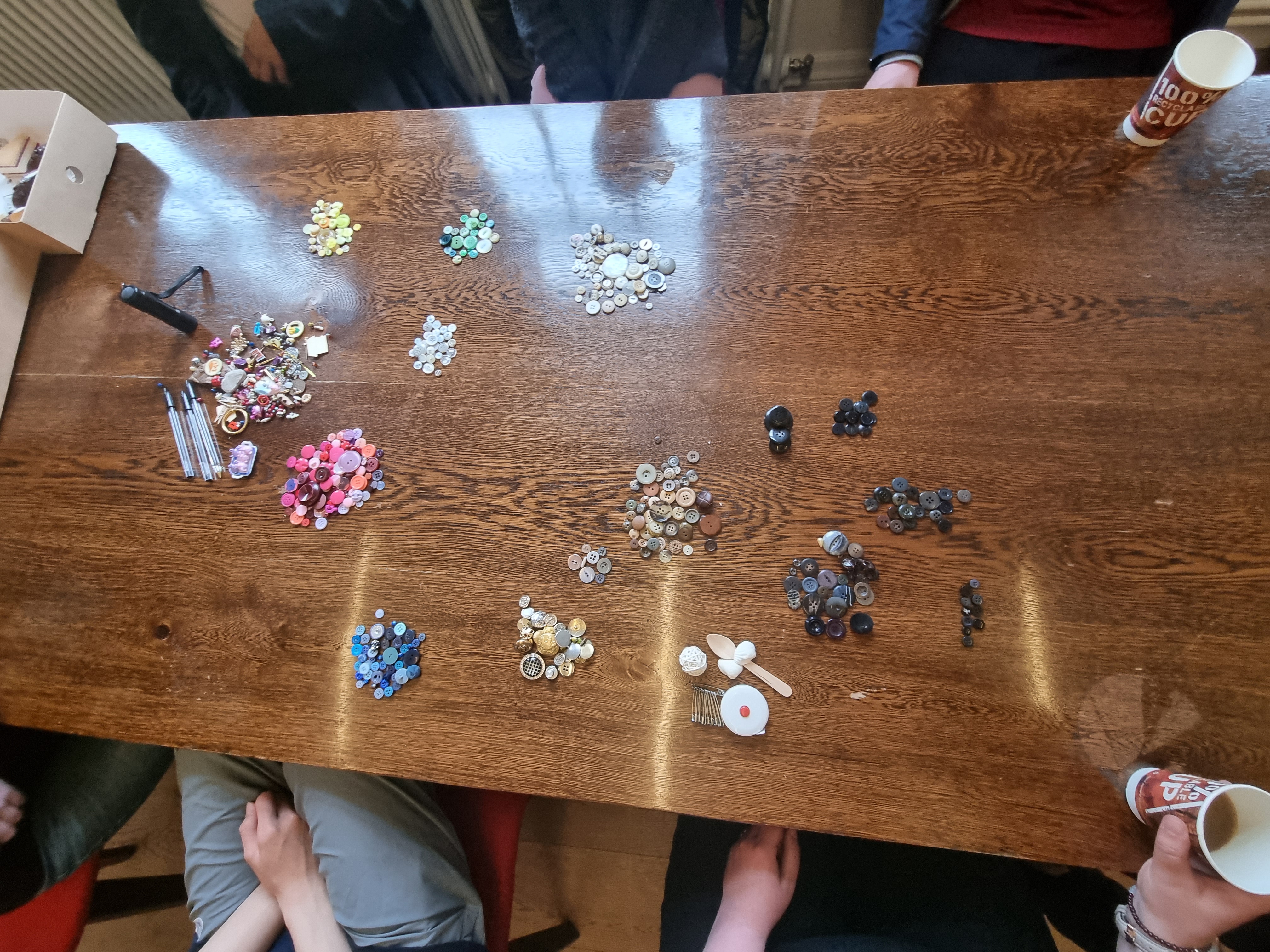
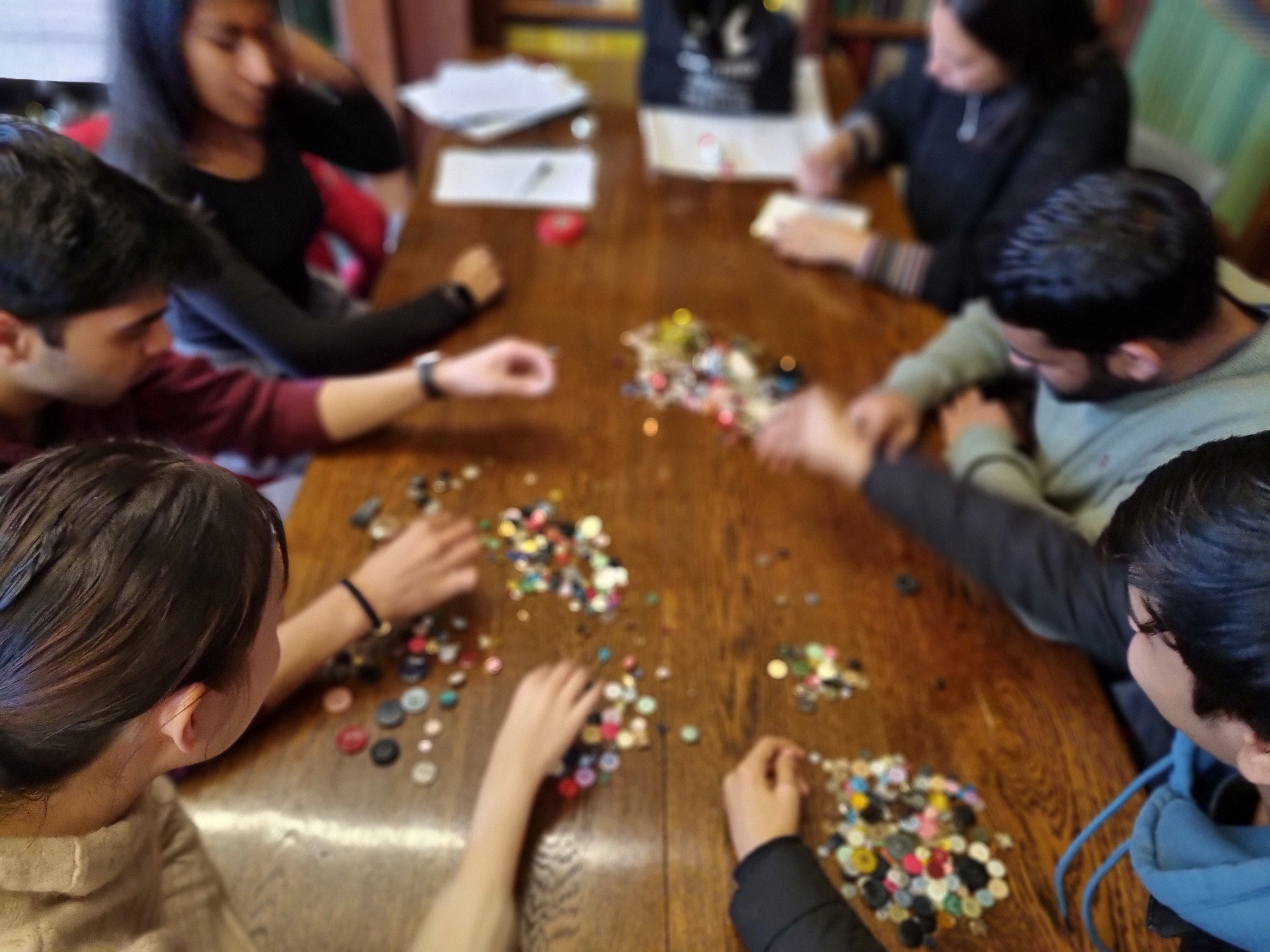
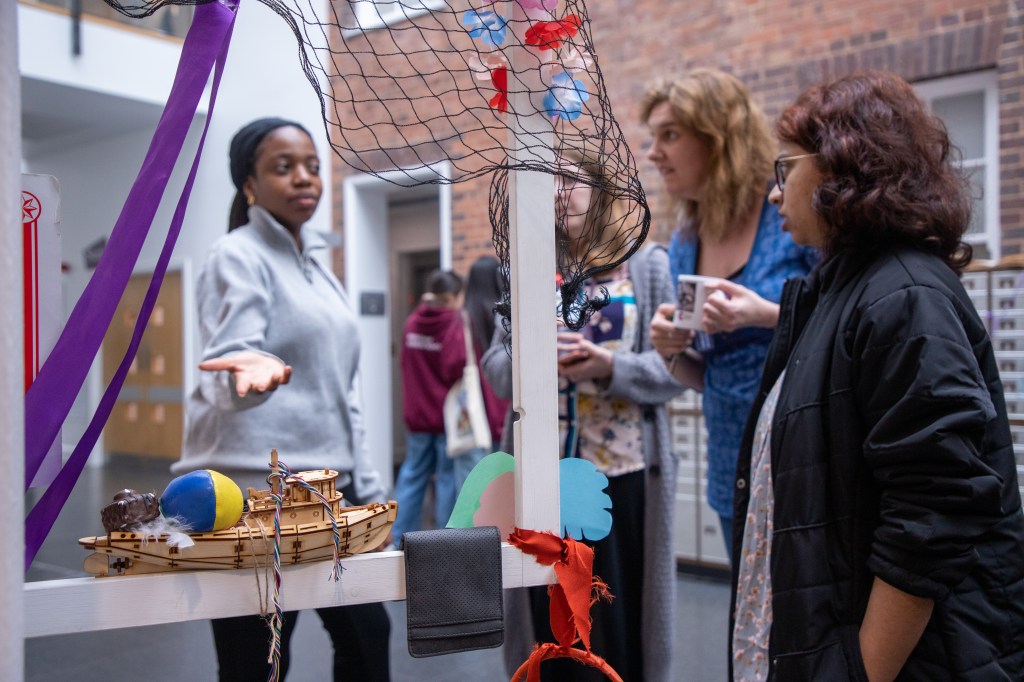
In the second part of the workshops, participants were invited to create visual representations of their experiences of university life using everyday materials such as buttons and found objects. This creative exercise enabled students to express ideas that might be difficult to articulate through words alone. The artefacts produced highlighted recurring themes, including feelings of separation and isolation, as well as concerns around representation and belonging, offering valuable insights into how decolonisation might address these issues within the School.
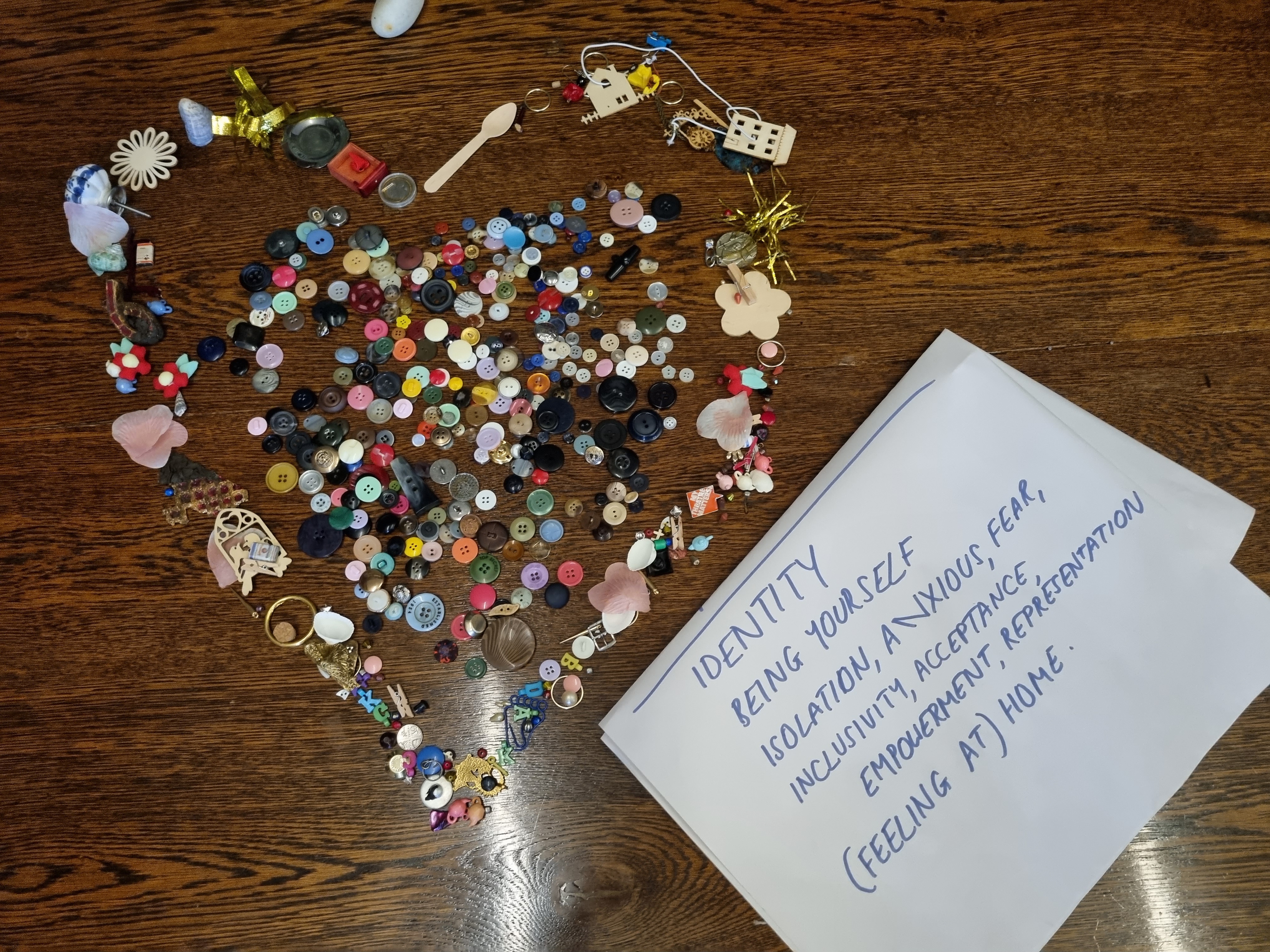
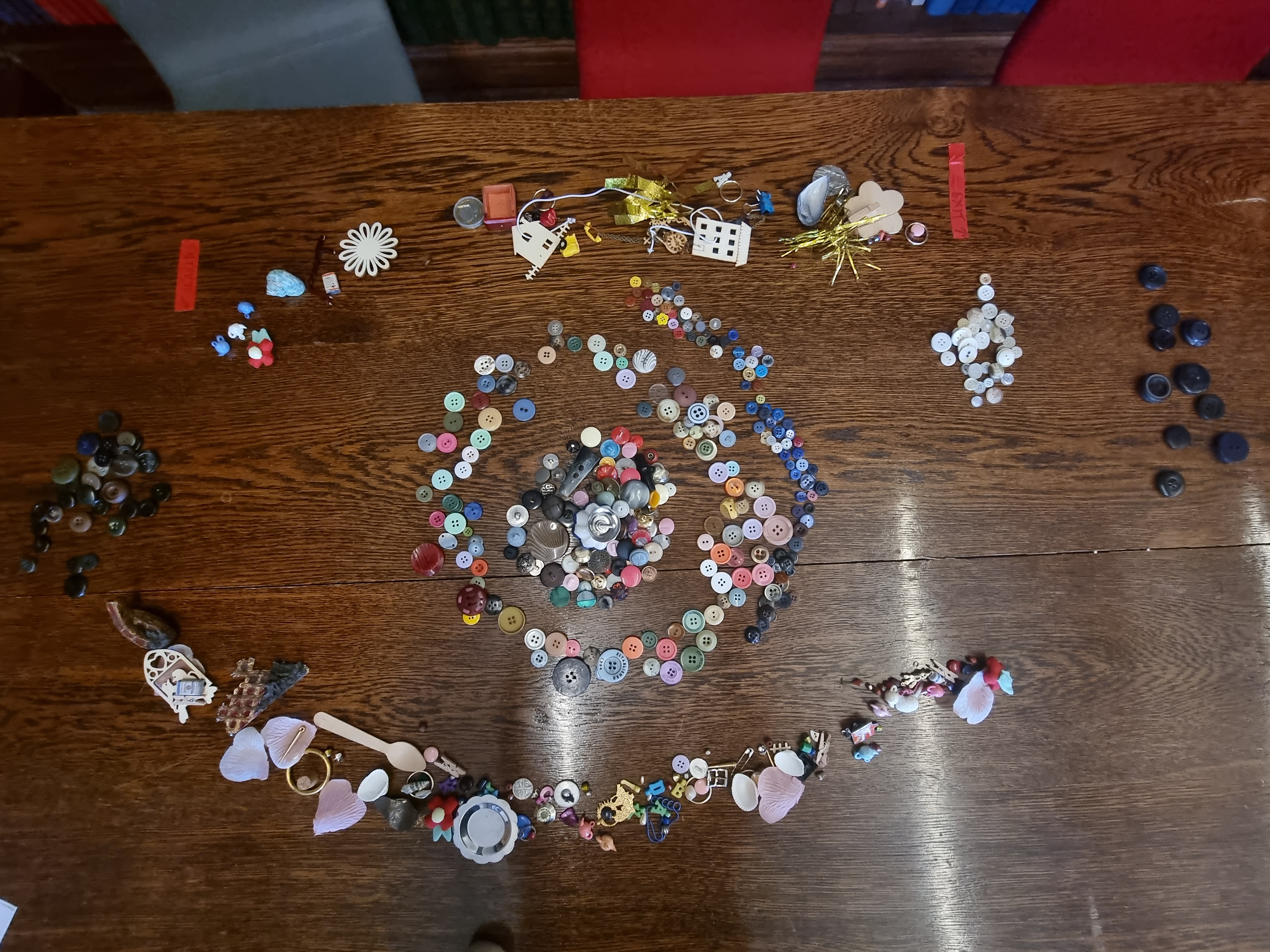
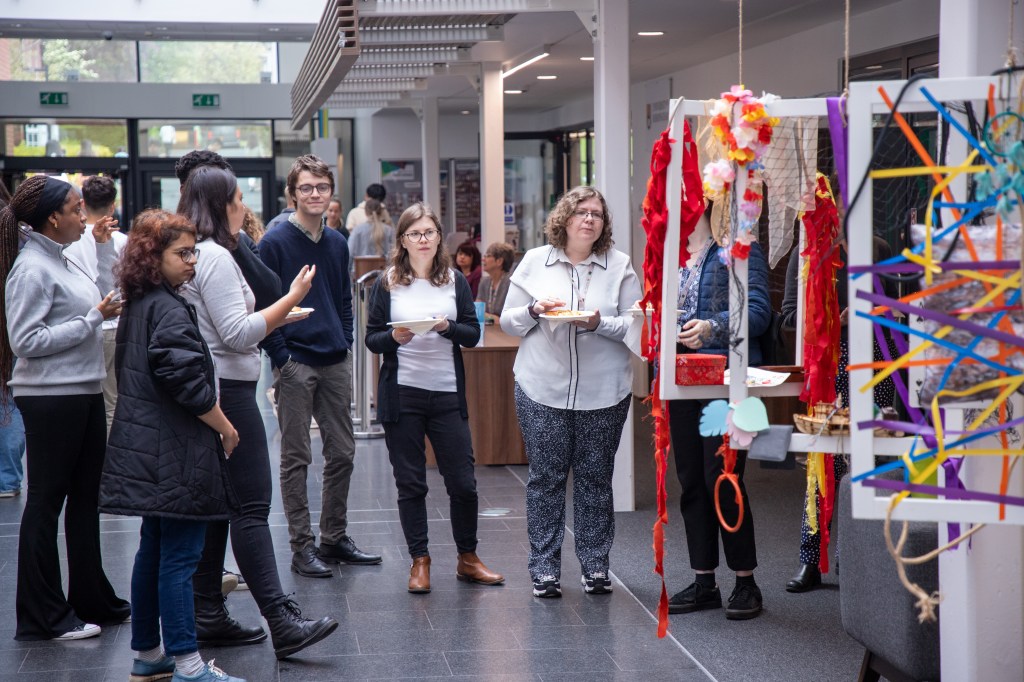
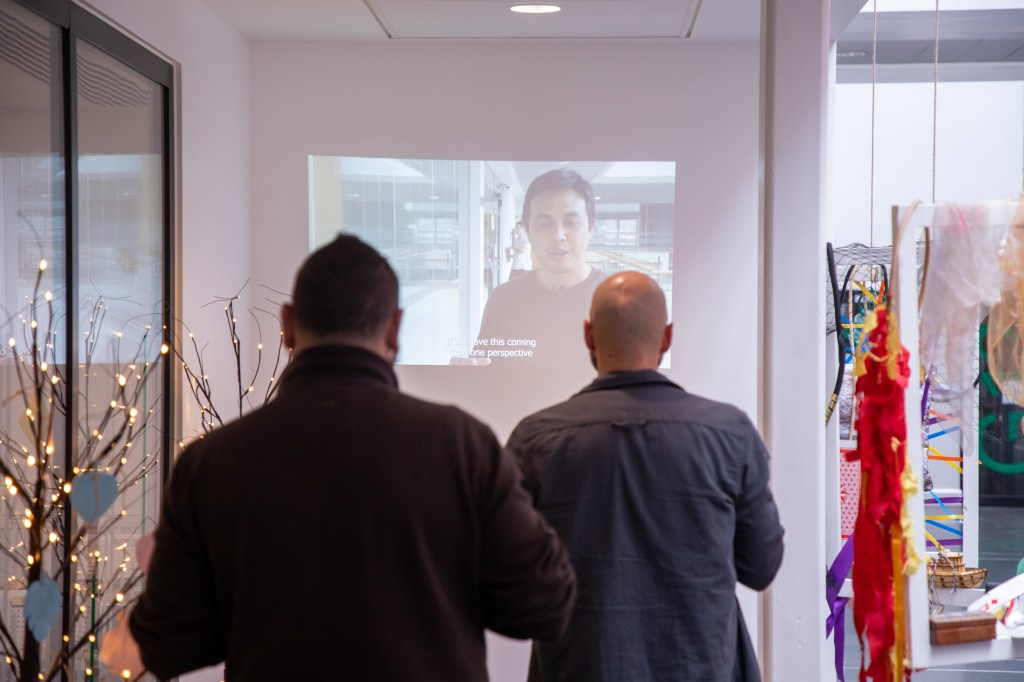
To extend the impact of the workshops beyond those who took part, a student-led exhibition was installed in the School’s reception area. Displayed over several weeks, it showcased selected artefacts alongside a short film produced during the workshops, and invited staff and students to contribute their own reflections on decolonisation and the actions required to move this work forward.
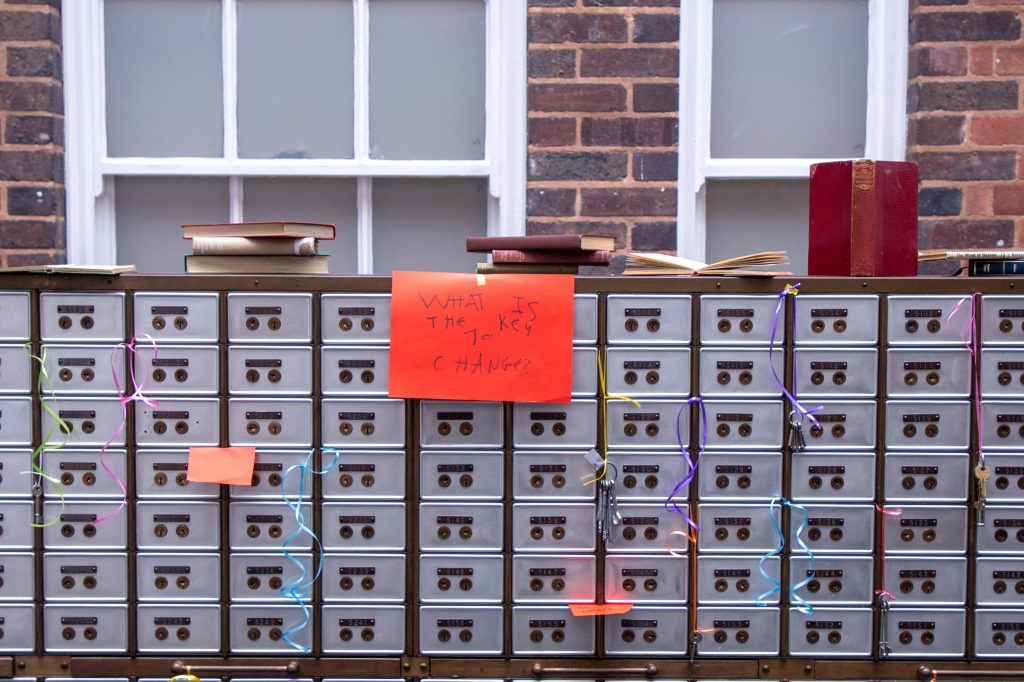
Together, these activities complement existing staff-focused research within the Decolonisation Project and ensure that student perspectives are meaningfully embedded in the School’s ongoing approach. By foregrounding creative, dialogic and inclusive methods, the workshops have contributed to a deeper understanding of how decolonisation can be shaped collectively within a business school context.
Explore our other project activities:
 Decolonising a Business School