There is no ‘one way’ of decolonising work, and this work is context-specific, but we hope the following description of Cultural Animation can help inspire and develop future research in embedding decolonial principles within research methodology.
You can see some examples where we have used this methodology here:
This methodology was developed by New Vic Borderlines, the outreach department at the New Vic Theatre in Newcastle-upon-Lyme. To find out more about the methodology, see:
- Kelemen M, Surman E, Dikomitis L. Cultural animation in health research: An innovative methodology for patient and public involvement and engagement. Health Expect. 2018; 21: 805-813.
- Kelemen, M., & Hamilton, L. (2015). The role of creative methods in re-defining the impact agenda. Keele: Community Animation and Social Innovation Centre.
Workshop activities
Phase 1: This phase focuses on games introducing participants to each other and better understanding their commonalities and individualities.
Name game: the objective of this game was for participants to identify themselves with their first name and an action that represented them. In doing so, it helps each participant to introduce themselves.
Anyone who is or likes to do? – the objective of this game was for participants to identify an activity that they like doing or something that characterise them, and then identify who else in the room was similar to this. in doing so, it helps participants to notice how similar or different they were as well as learn more about others.
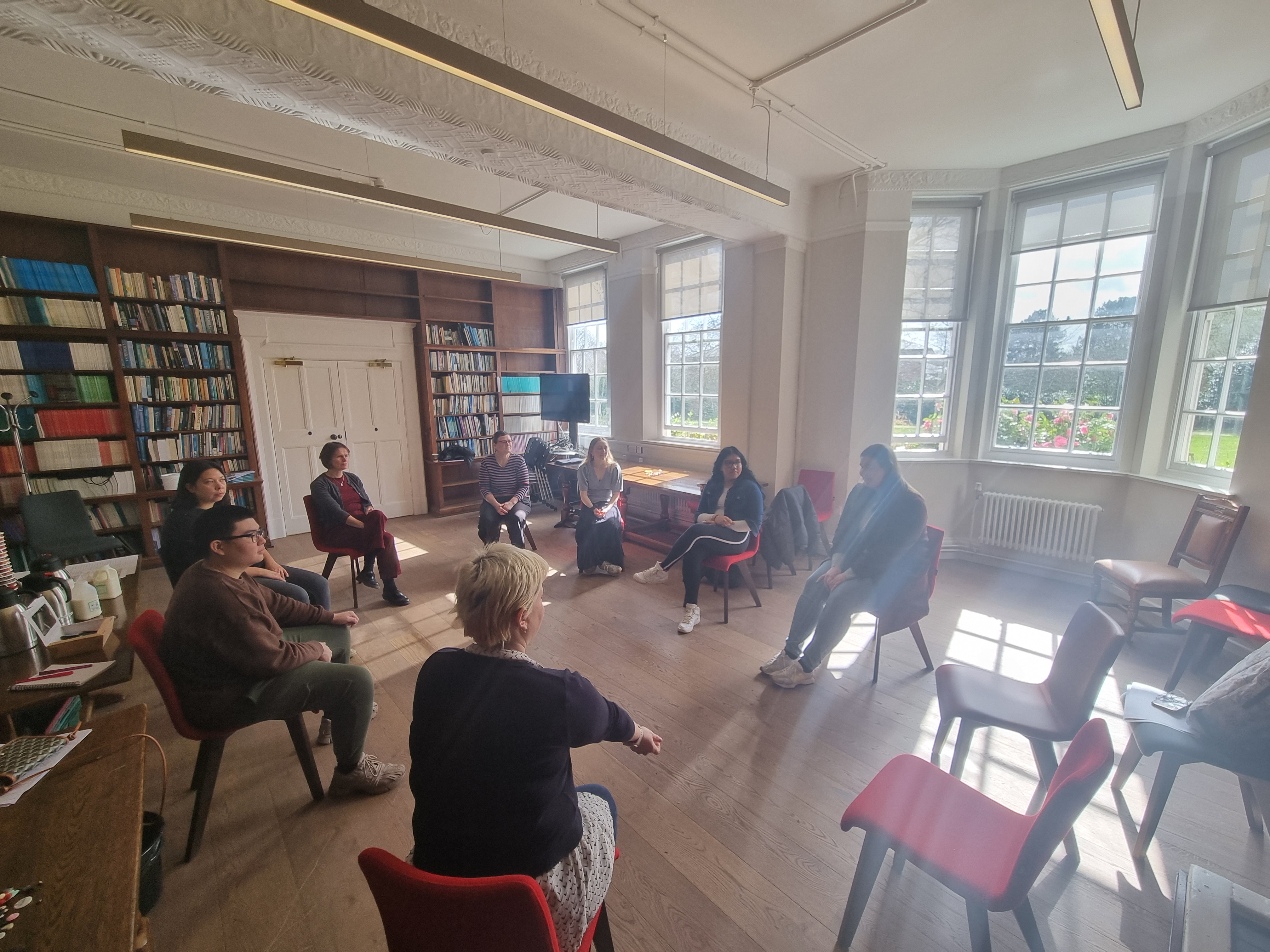
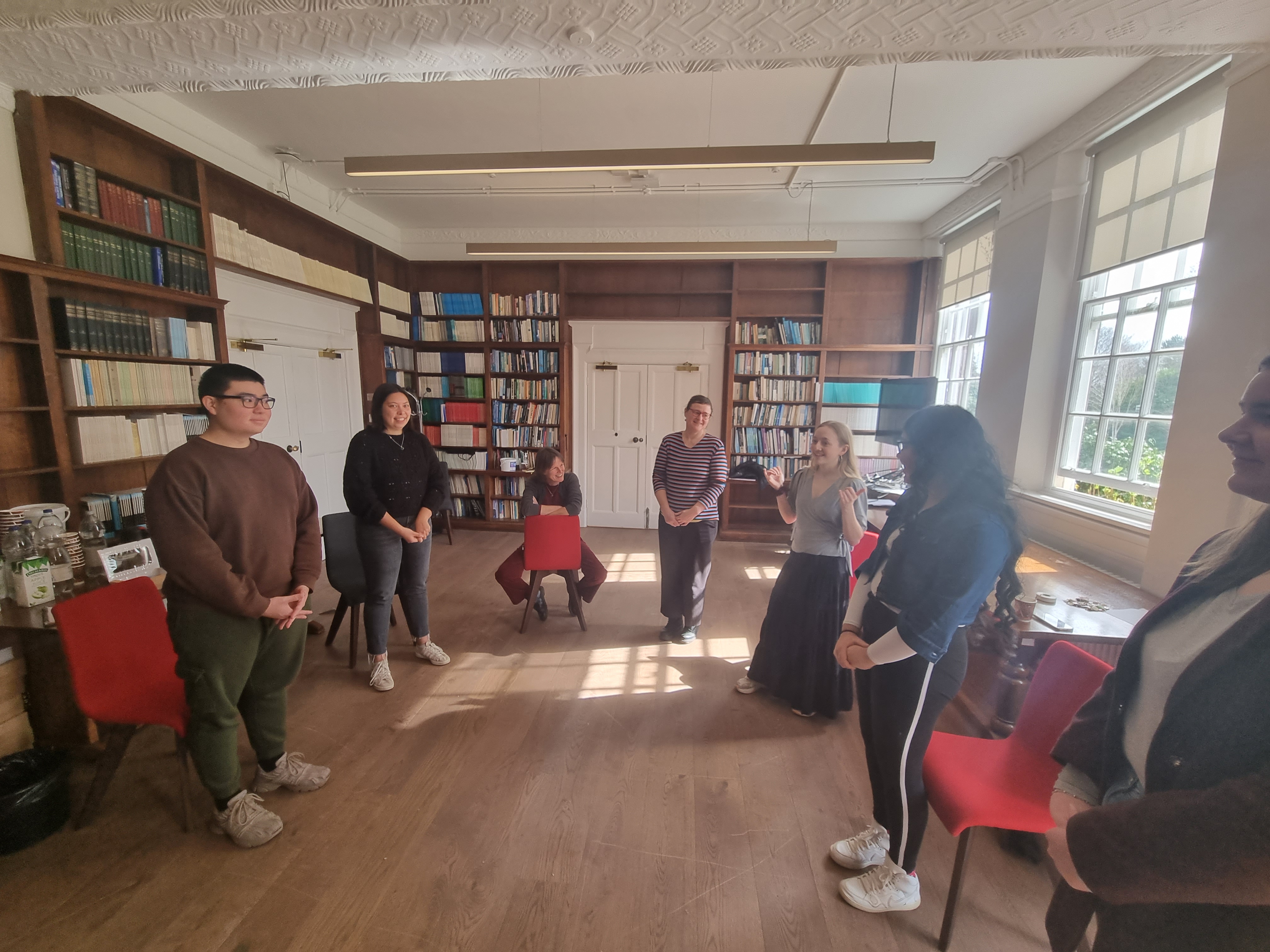
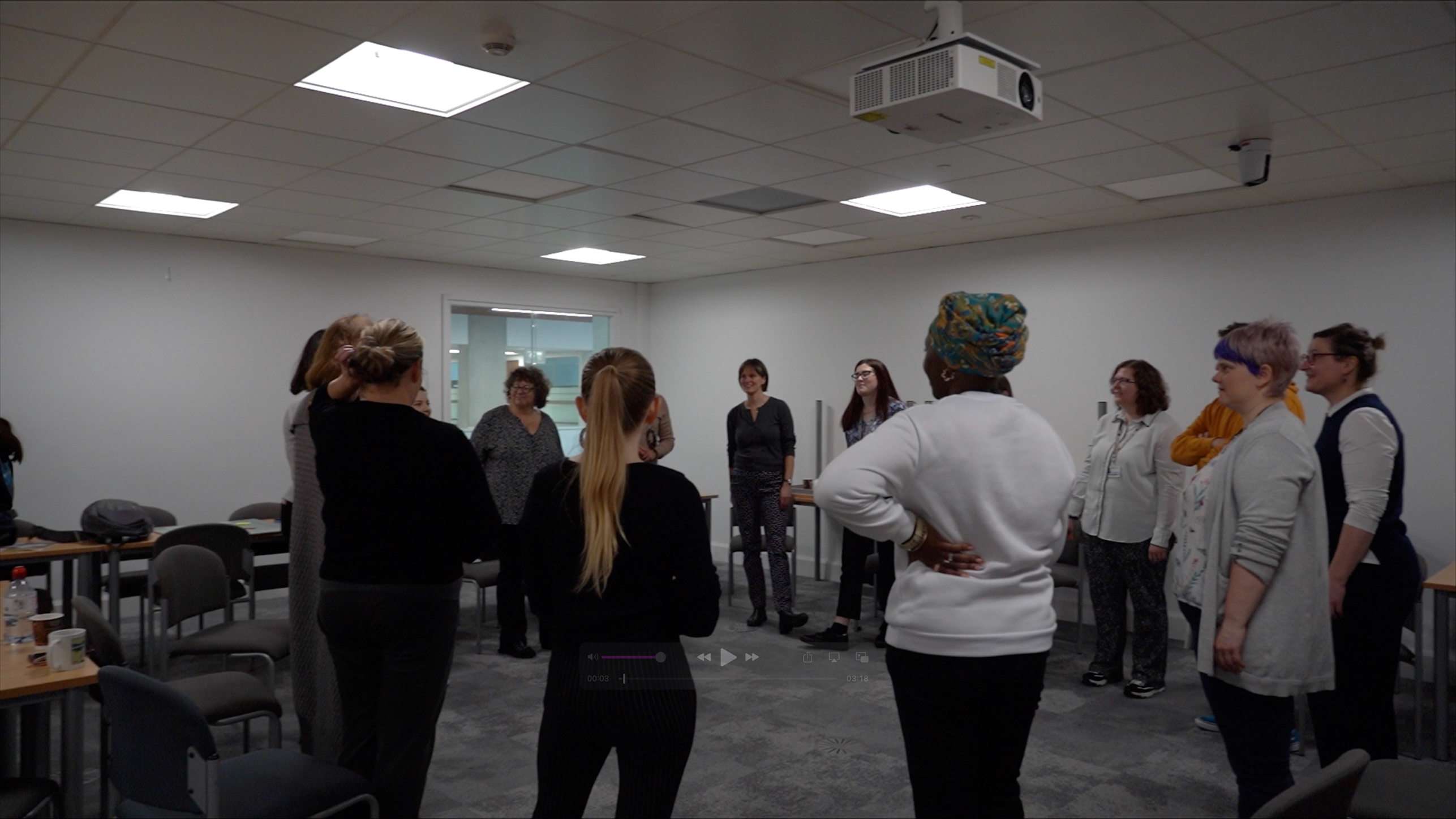
Phase 2: This phase consisted of games that focused on helping participants to build trust but also experience what othering or social barriers could look like when interacting with others.
No contact, contract: in this game, participants were asked to create visual contract with others in the room to switch chairs with the objective of not ending in the middle without a chair. As such, one participant was always in the middle and needed to find a way to get to a chair. This game highlighted engagement or no engagement as well as building trust between participants as well as othering.
Shuffle bottom game: in this game, one participant was asked to shuffle to a chair at the end of the room while others were asked to prevent them of doing so. This game, highlighted process of social obstacles and othering.
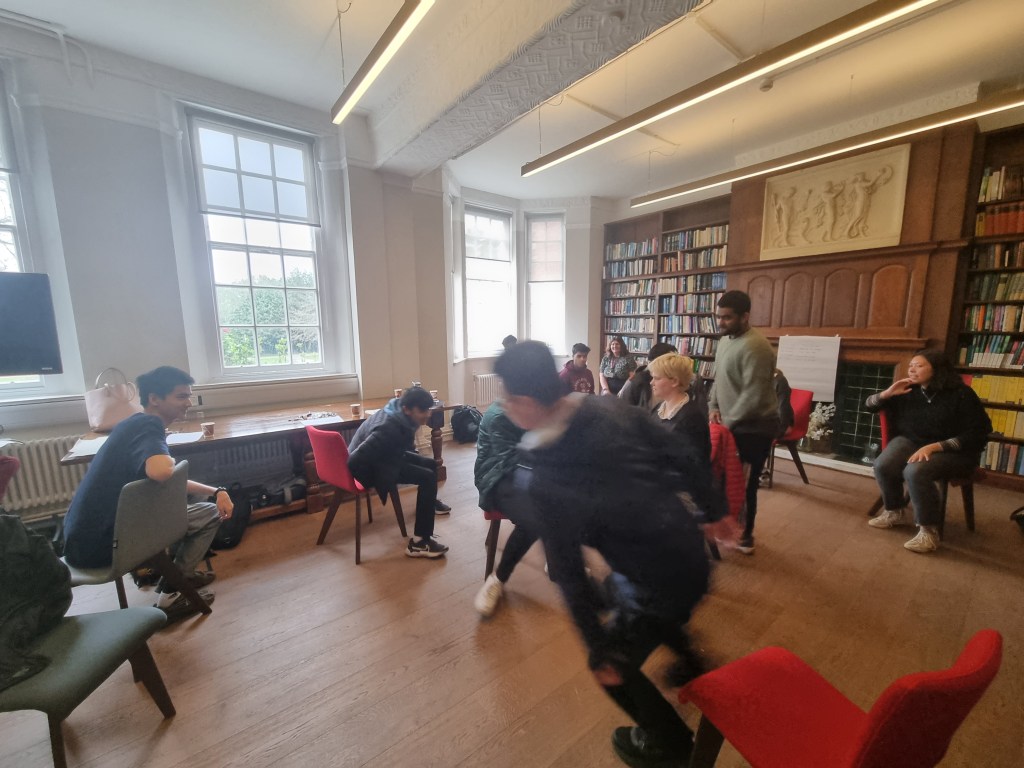
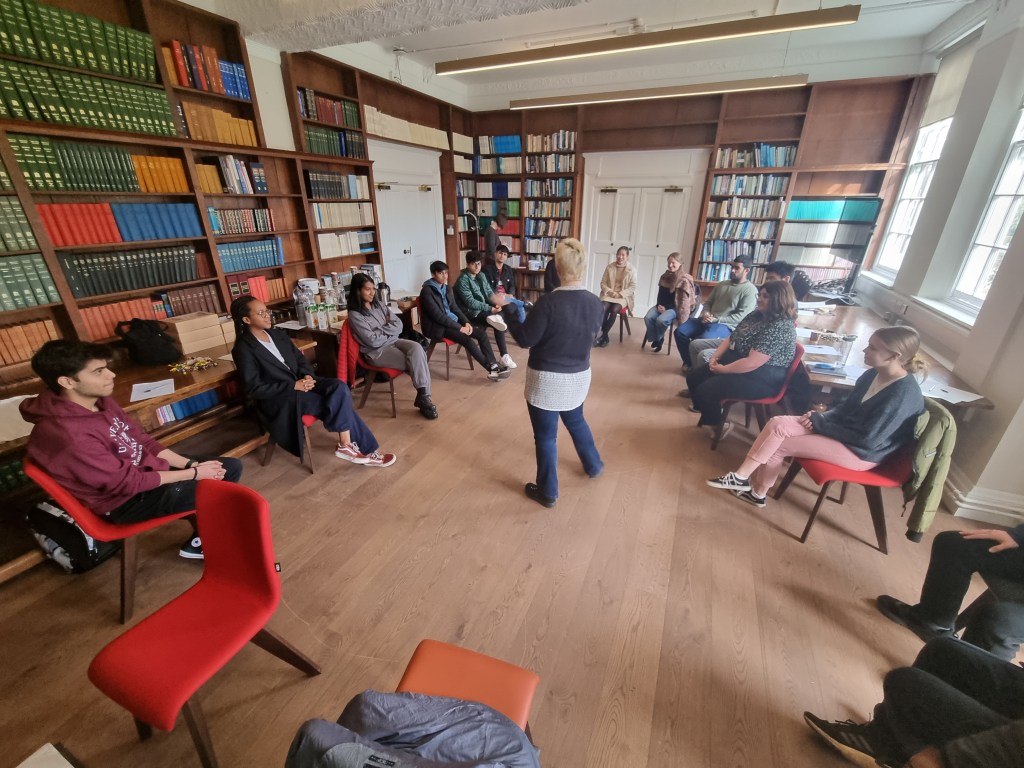
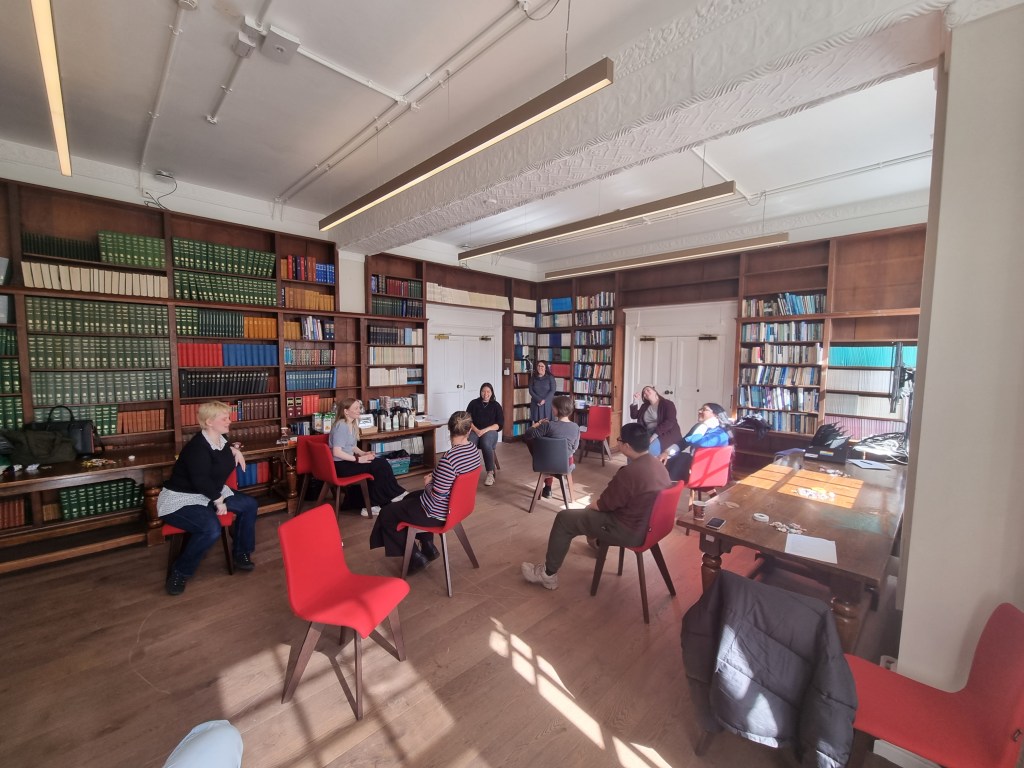
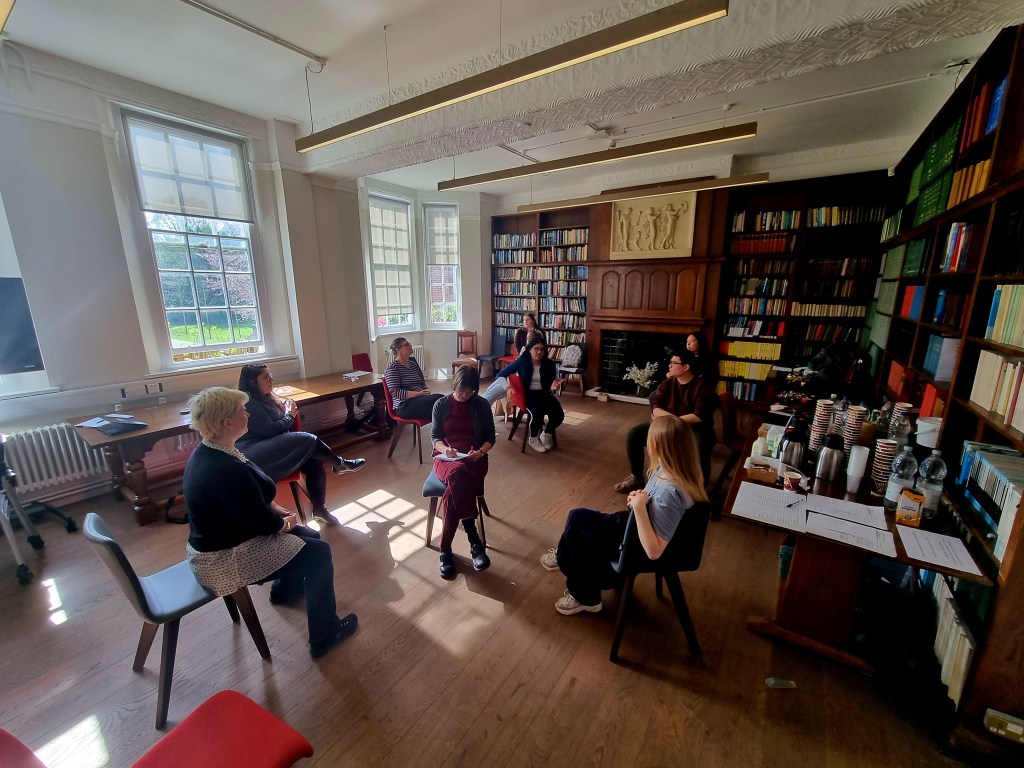
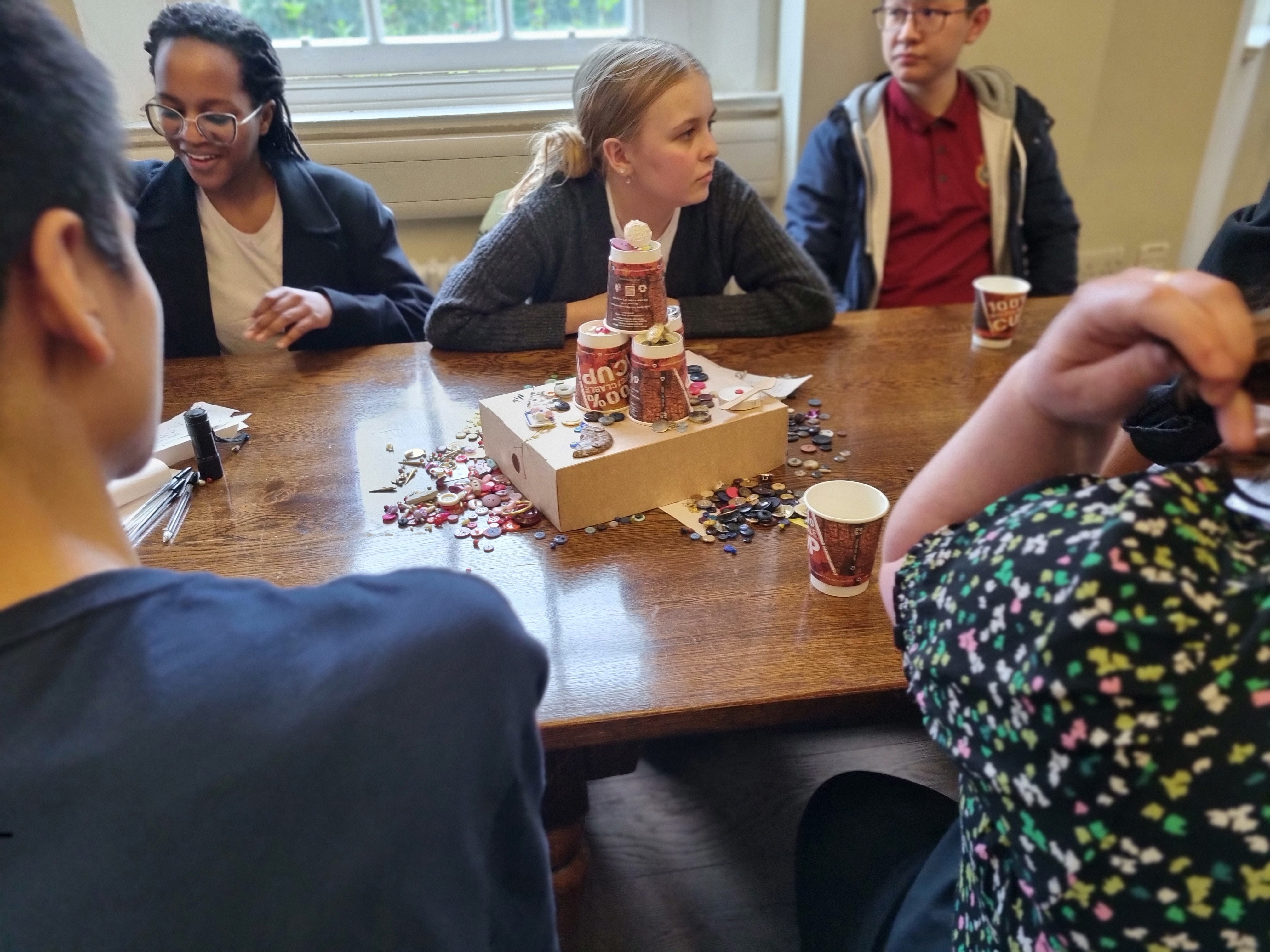
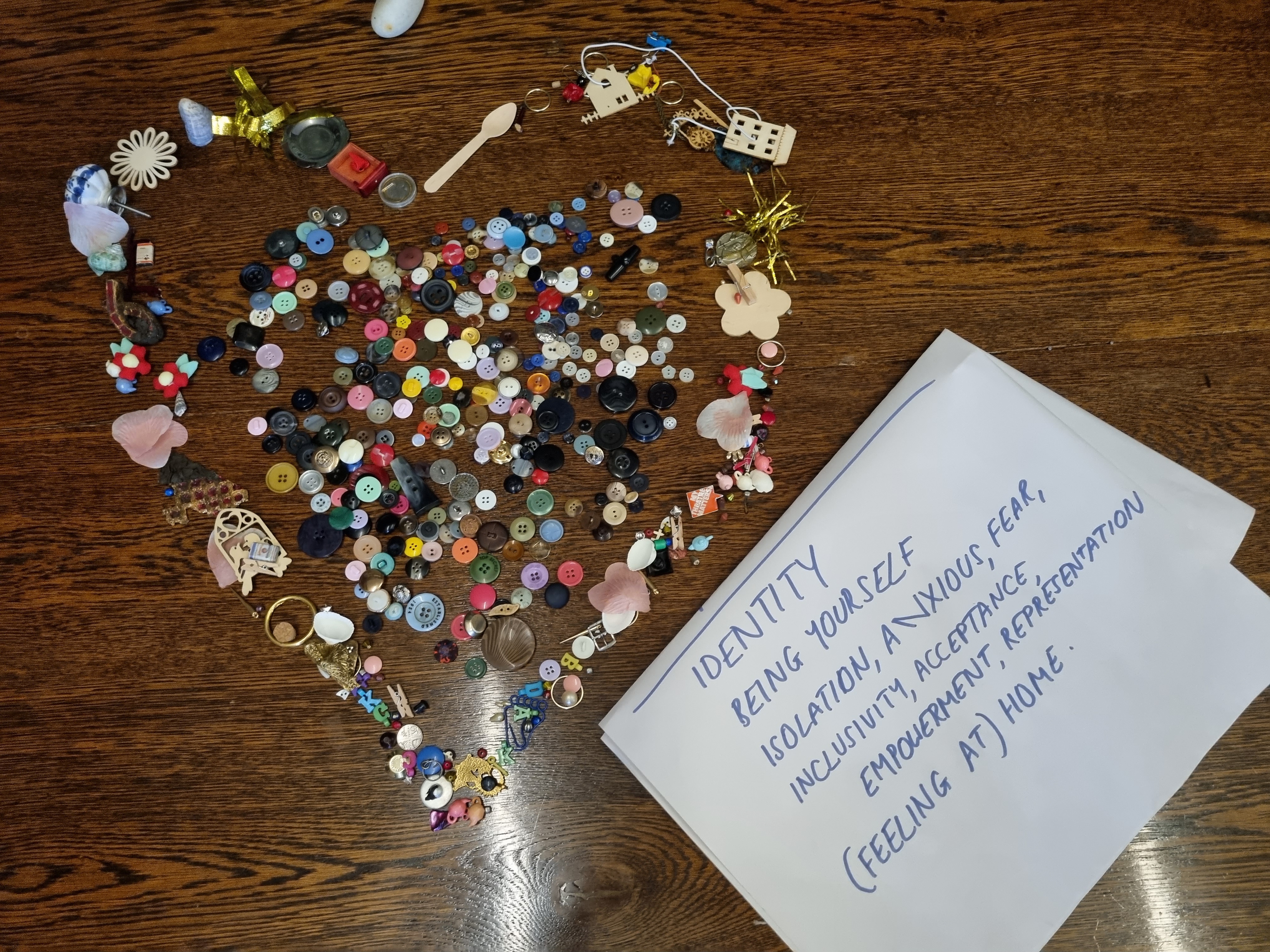
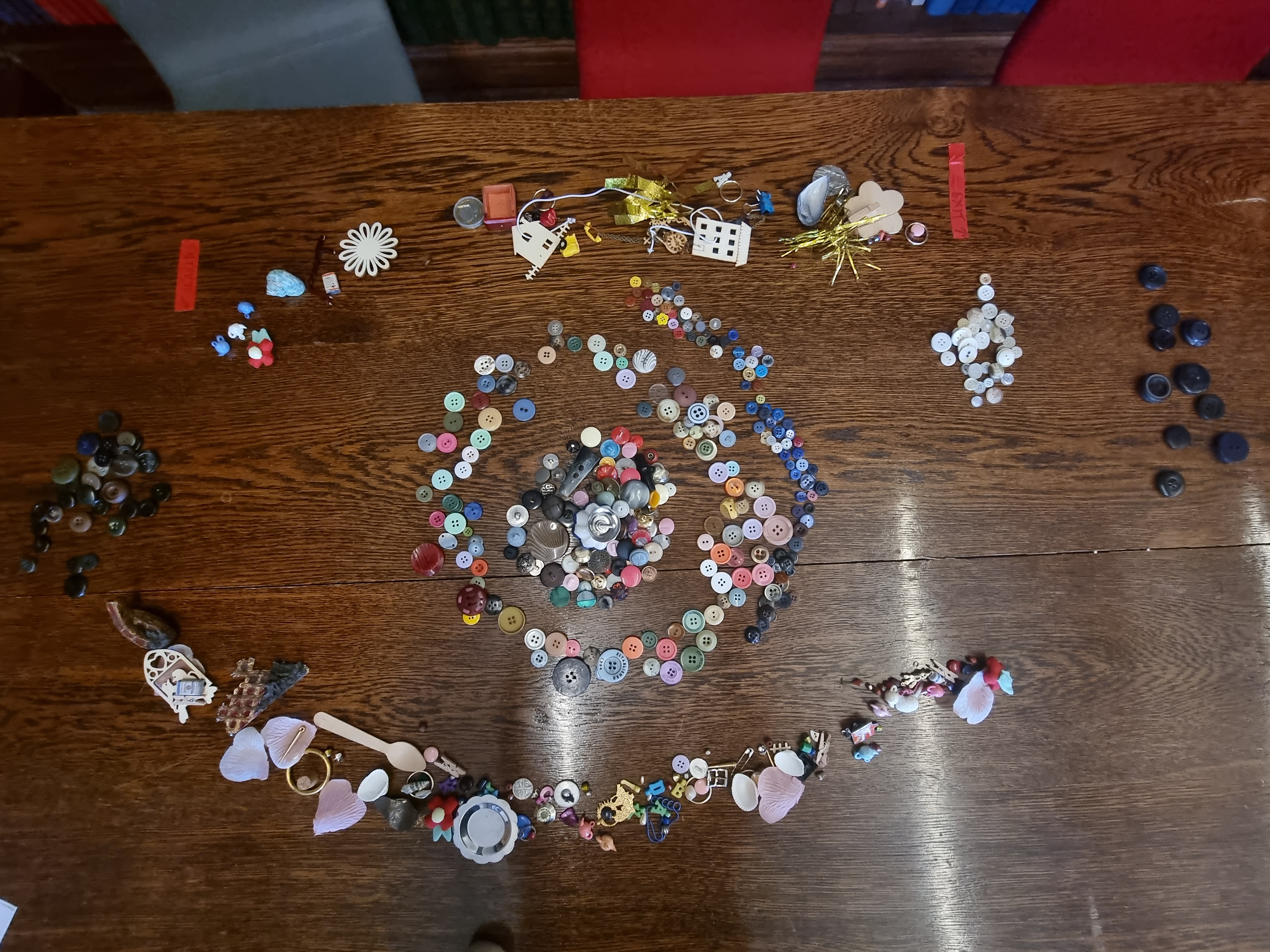
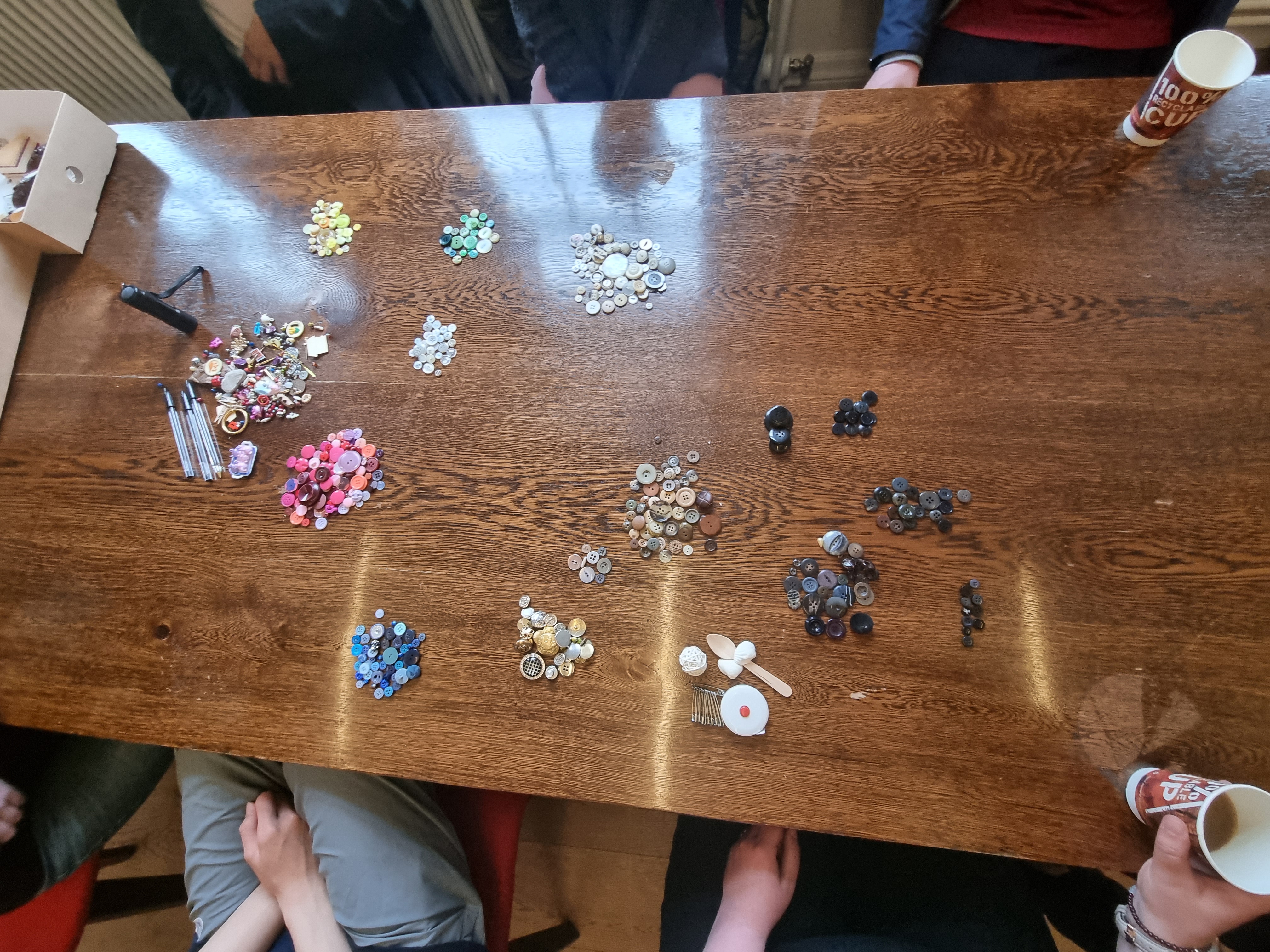
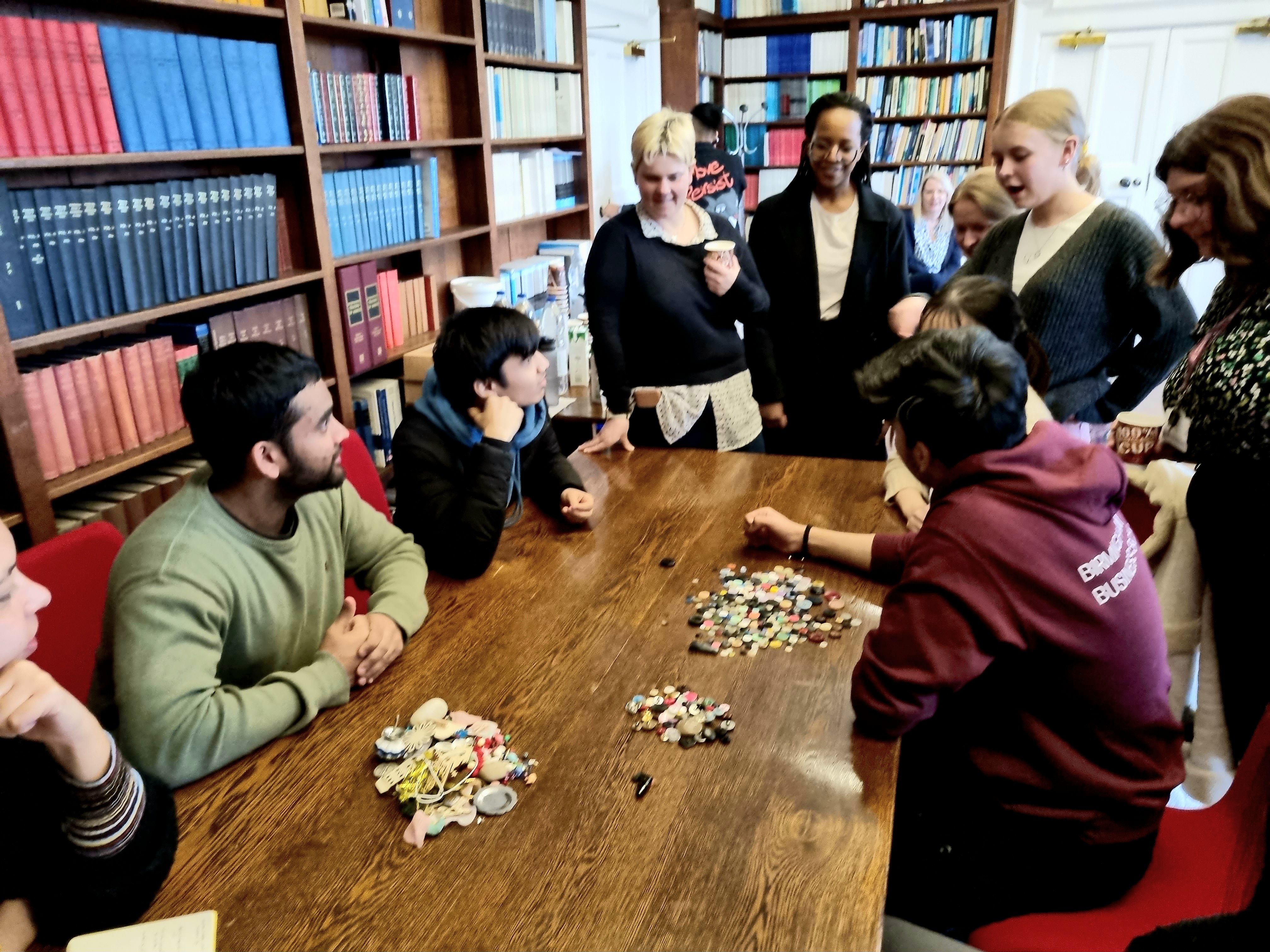
Phase 3: Buttons. This game asked participants to think of themselves in relation to the University structure around them.
In this game, participants were asked to sort and organise buttons and other objects to represent the university as they perceive/experience it today and where they would situate themselves within it, first, and then, in a second time, to adjust their representation to highlight how a decolonised university would look like and if it would change anything to their position.
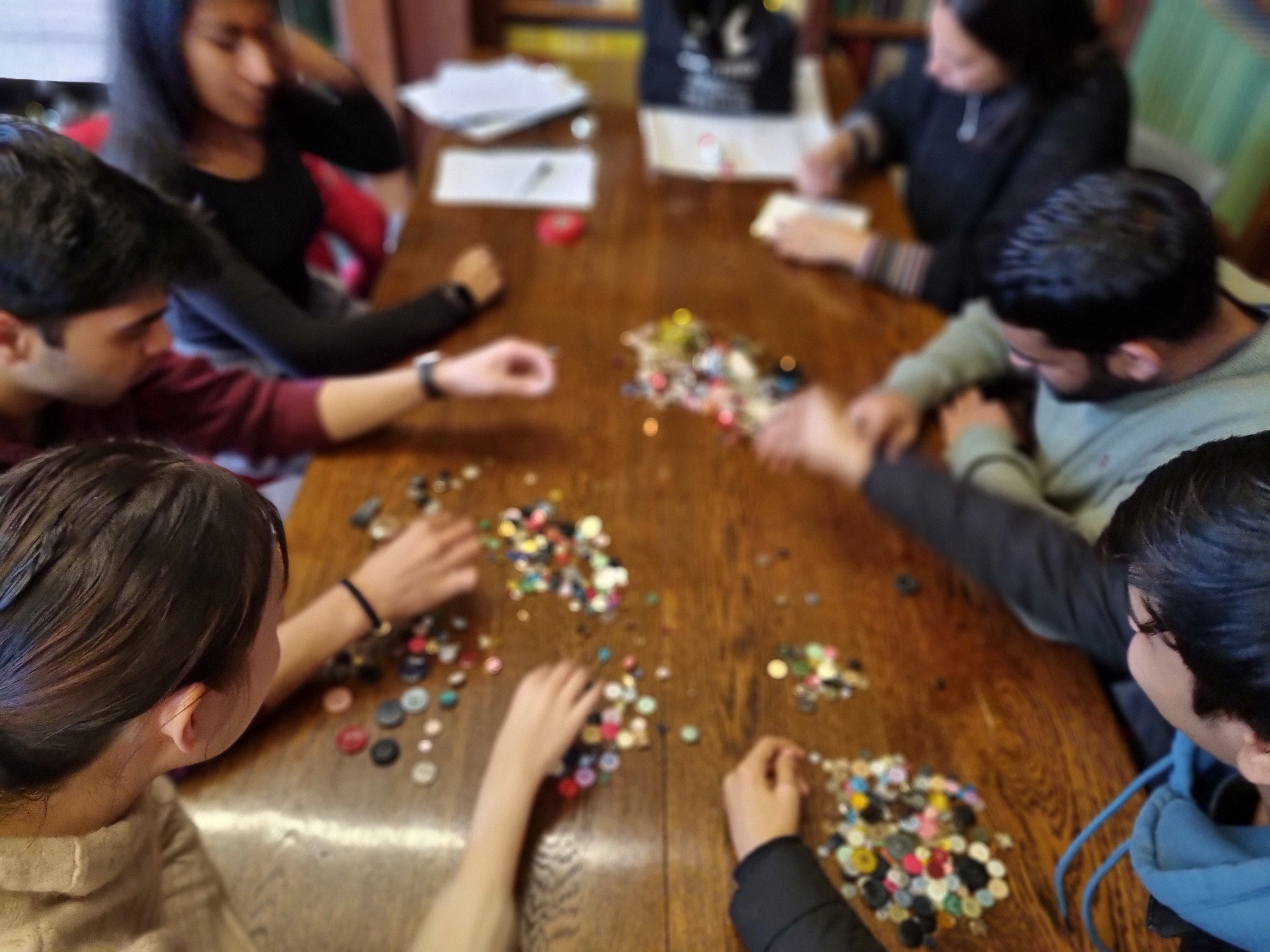
Explore our other project activities:
 Decolonising a Business School