Discovering Birmingham’s ‘hidden histories’
Before action can be taken to dismantle colonial legacies, we need to identify and understand their presence.
Only by gaining a more well-rounded, and fuller understanding of how and why things are the way they are, are we able to start to interrogate, explore and dismantle the systems which may be upholding values we no longer want to sustain.
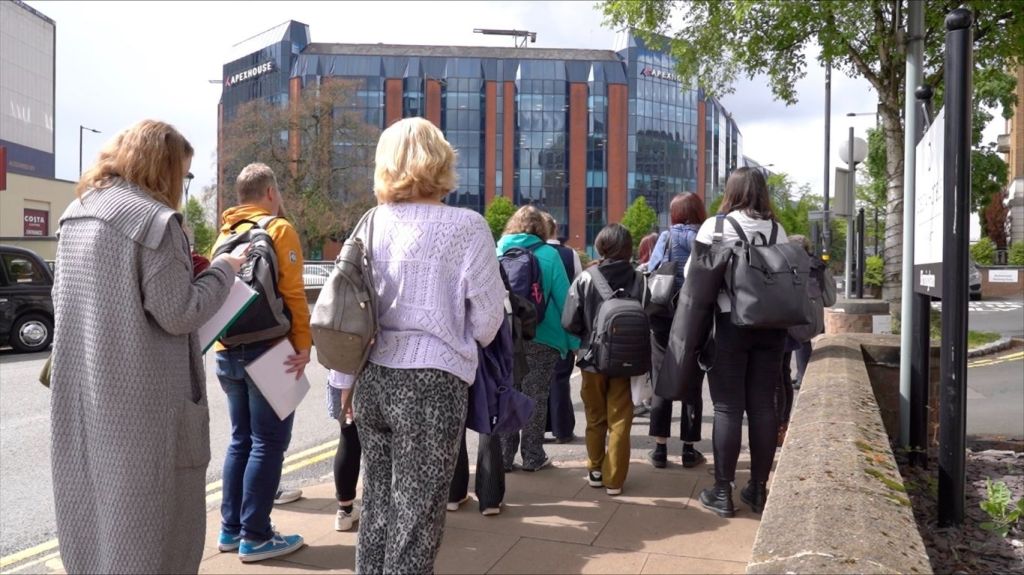
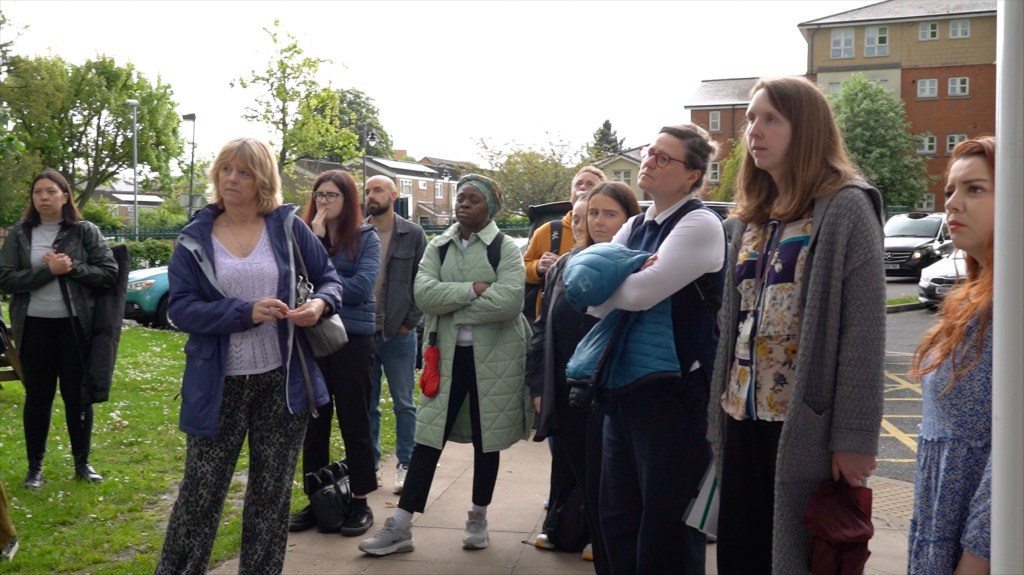
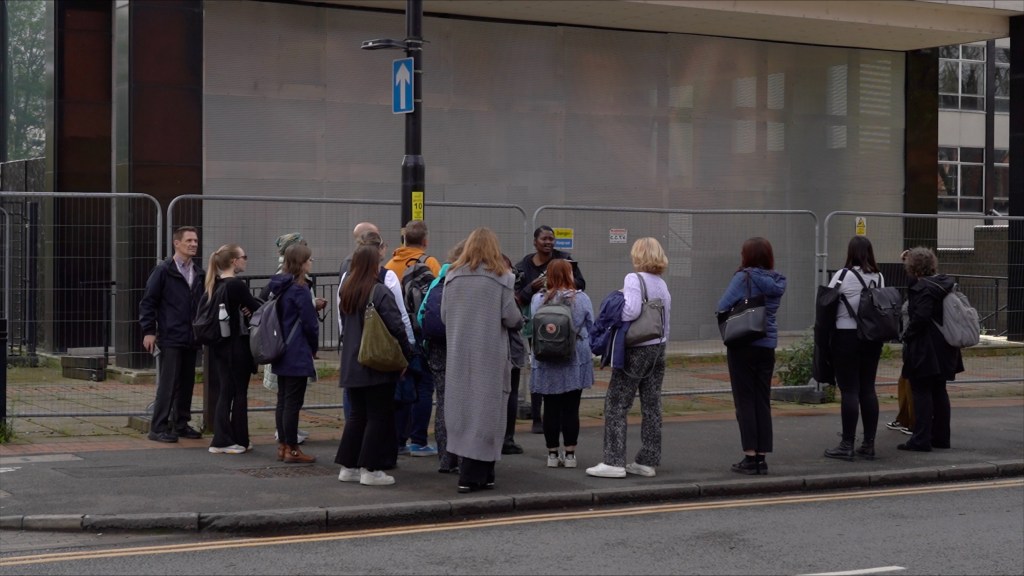
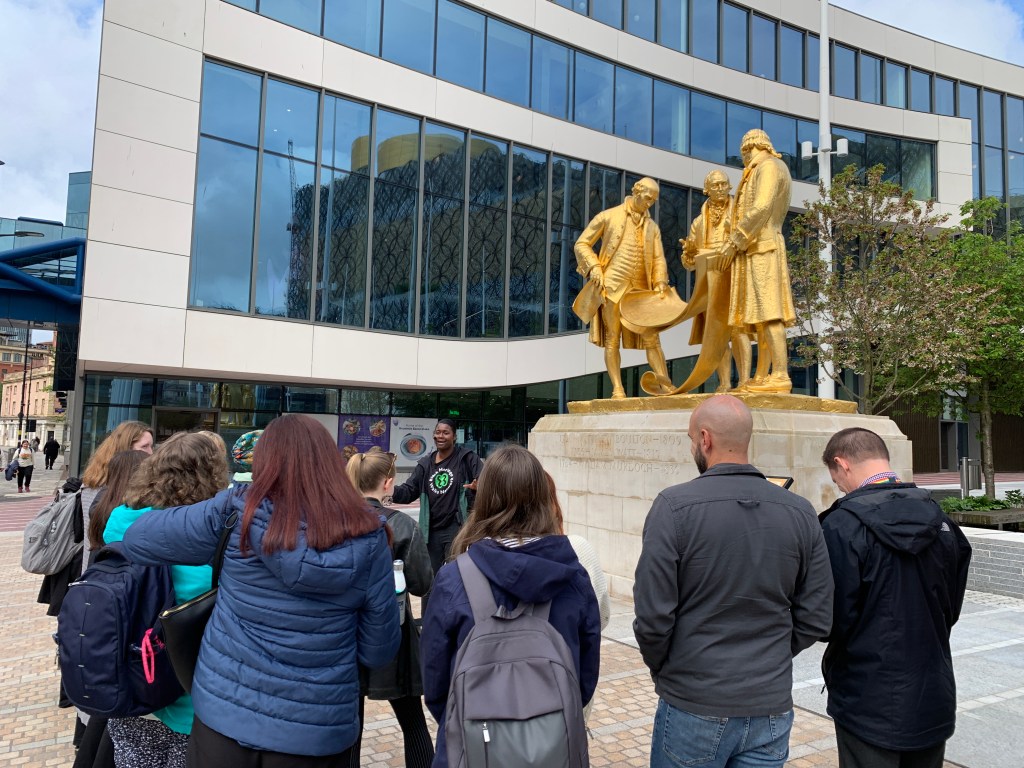
Understanding our histories is a key part of this, so, we worked together with Birmingham-based Black Heritage Walks Network to begin the workshop with a walking tour to give us a fuller narrative of the history of the city. Walking through a leafy suburb, home to the University, we began to relearn, and rediscover a version of Birmingham’s history which is less familiar. This allowed participants to begin to see this space in a new light, through the stories of the area’s histories that had effectively been hidden. It highlighted how the narratives that are often in the mainstream can obscure and hide the lived experience for many people, and how certain histories, although they should be celebrated, frequently remain unknown.
Monopoly… Brumopoly… Decolonopoly?
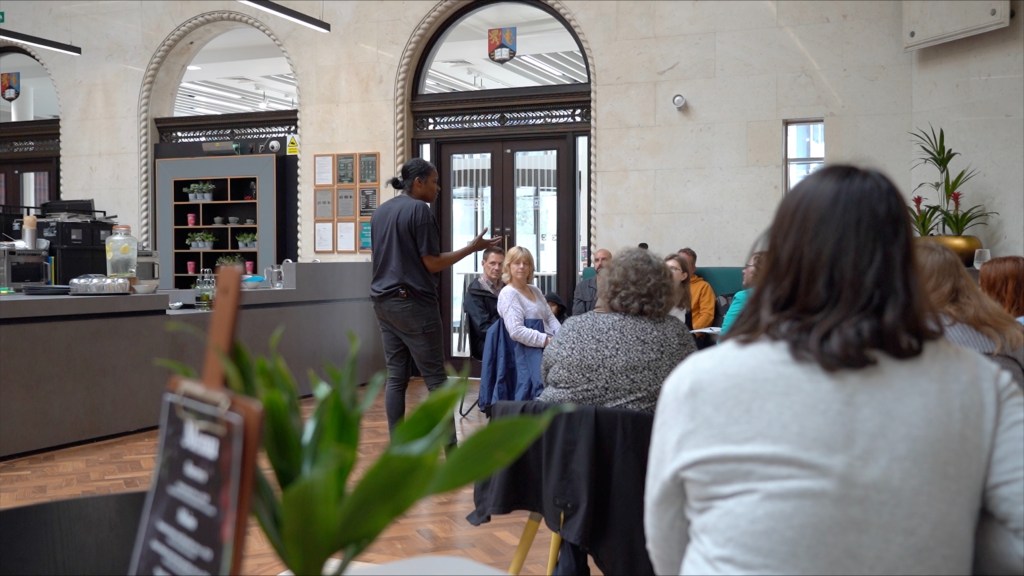
After the walking tour, we began to see how these ideas could be applied to our own shared space within the Business School. Working in partnership with New Vic Borderlines, the outreach department of the New Vic Theatre based in Newcastle under Lyme, we took the idea of a Monopoly board, and started to create our own versions of it, based on participants’ perceptions and lived experiences of the School. In small groups, participants discussed how they currently see and use the space, debating which locations would be seen as the most prestigious, what kind of events might appear on the ‘Chance’ and ‘Community Chest’ cards and what would be replacing the dreaded ‘Go to Jail’ square. After sharing ideas with the wider group, we then went back to begin to talk about how the board might look different if the school was decolonised. Drawing on the learning from the morning walk around Edgbaston on how our perceptions of spaces can change when we know the full narrative, we tasked each group to show us, on their Monopoly board, ways in which the School would look, feel and be different if we were to fully understand the histories, contexts and lived experience of our colleagues.
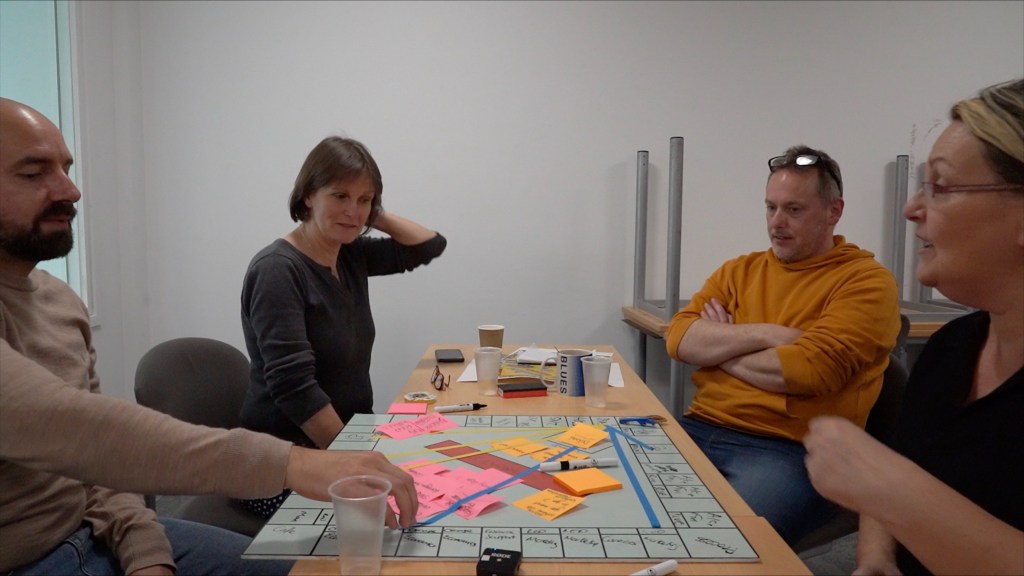
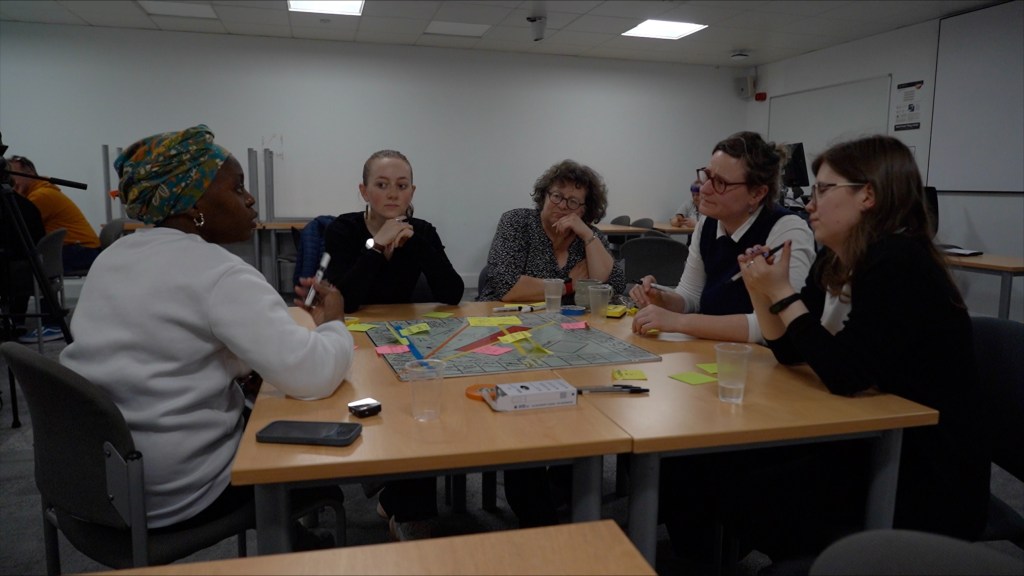
Within the ‘decolonised’ boards, we saw better recognition of workloads, equal opportunities for professional service staff, and deeper understanding of the role of each department and individual. Collaboration and cohesion were highlighted as important, as well as full-school events, as opportunities to get to know each other and learn about each other’s achievements.
This workshop will complement the other activities and research underway in the School with students and academic staff and will inform the next phase of the project. As not all professional services staff within the School were able to attend, we were joined for the day by Jingyi Bian, Xinyi Che and Arifa Saeedi, three MA Film and Television students, who are creating a short documentary about the workshop. This film will enable staff who were unable to join us on the day, to engage with the project and foster further dialogue. Discovering Birmingham’s ‘hidden histories’.
Explore our other project activities:
 Decolonising a Business School